Grill Preheating Too Slow? 7 Common Causes
Why is my grill taking too long to preheat? You're not misreading the flame. Most of the time, the problem isn't a weak grill.
It's a small clog, a tripped regulator, or a vent that's barely open. The good news is that most fixes take under ten minutes.
In our research, a standard gas grill should reach 500°F in about 10 to 15 minutes. Charcoal grills often need 15 to 20 minutes. Pellet units run slower, especially in cold weather.
A properly adjusted gas grill delivers roughly 80 to 100 BTU per square inch of primary cooking area. Below, we'll walk through the first fixes by grill type.

Why Your Grill Is Preheating Like It’s Stuck in Slow Motion
When a grill crawls toward temperature, people often assume the worst. Maybe the burners are shot. Maybe the grill is just old.
In reality, slow preheat almost always points to a supply restriction or heat loss.
You might watch the built-in thermometer climb to 300°F and then stall. That's a common pattern. The grill gets hot enough for light cooking but never reaches full searing temperature.
That stall tells you something is limiting fuel flow, air flow, or both. Find that thing, and the grill jumps back to speed.
The fix changes based on what you cook with. That's why we sorted this guide the way a technician would. First, you check the two or three most likely culprits for your fuel type.
Then you zero in.
Quick Answer: How Long Should Preheating Actually Take?
Why is my grill taking too long to preheat? Dirty burners, low gas, blocked airflow, or wet fuel usually cause it. Most gas grills need 10 to 15 minutes.
Pellet and charcoal grills need 15 to 20 minutes. Reset the regulator, clean the burners, and check the vents.
The 3 Things That Control Grill Heat-Up Speed
Every grill, regardless of type, depends on the same three variables. If one is off, preheat slows. If two are off, the grill can feel dead.
Heat input is the raw energy your fuel or element creates. On a gas grill, that's BTU output from clean burners. On charcoal, it's a full bed of lit coals.
On a pellet grill, it's a properly fed firepot. Low input almost always comes from a restriction, not a worn-out grill.
Heat retention is how well the cooking chamber holds that energy. A closed lid traps hot air. Thick grates, ceramic walls, and a good lid seal all store heat.
Open the lid constantly during preheat, and you dump the energy you just built.
Heat loss is the enemy. Wind strips heat across the grate. Cold ambient air fights the burners.
An old gasket or warped lid lets warmth escape. Most slow preheats come from a mix of low input and avoidable loss.
Step One: Identify Your Grill Type Before Touching Anything
Start here. Different fuel systems have totally different failure points. What fixes a gas grill won't help a kamado.
What speeds up charcoal won't matter on a pellet unit.
As of 2026, the preheat times below still hold for most consumer grills in calm, mild weather. Use them as a baseline. If your grill is way off, you have a real problem to chase.
| Grill Type | Usual Slow Preheat Culprit | Expected Full Preheat |
|---|---|---|
| Gas (propane) | Tripped regulator or clogged burners | 10 to 15 minutes |
| Gas (natural gas) | Low line pressure or blocked orifices | 10 to 15 minutes |
| Charcoal | Too few lit coals, closed vents, or heavy ash | 15 to 20 minutes |
| Pellet | Wet pellets, failing hot rod, full ash pan | 10 to 20 minutes |
| Electric | Low wattage or cold ambient air | 10 to 15 minutes |
Once you know your type, follow the matching branch below. If you have a propane gas grill, check the regulator first. If it's natural gas, check line pressure and orifices.
For charcoal, look at vents and airflow. For pellets, inspect the hot rod and fuel.
Gas Grill Troubleshooting: Propane, Natural Gas, Burners, and Regulators
Gas is the most common setup, so let's start there. The number one culprit on propane grills is a tripped regulator, often called bypass mode. That happens when the tank valve opens too fast or a burner knob is left on before the tank is opened.
The regulator senses a sudden pressure spike and restricts flow as a safety measure.
Natural gas grills don't have that same regulator, but they can suffer from low line pressure or tiny blockages in the orifices. If you've had gas line work done recently, or if the grill has sat unused for months, start with a visual check of the flame.

Reset the Propane Regulator and Check Tank Level
If your propane grill was fine last month and now struggles, do this first. It clears the bypass condition in under a minute.
- Turn every burner control knob to the off position.
- Close the valve on the propane tank completely.
- Disconnect the regulator hose from the tank.
- Wait 30 to 60 seconds so internal pressure equalizes.
- Reconnect the regulator hose to the tank hand-tight.
- Open the tank valve slowly, not in a quick burst.
- Open one burner knob and light it. Then turn on the other burners.
A fast tank valve opening can trip the regulator again. Open it slowly. The difference is night and day.
If the reset doesn't help, check the tank itself. A tank that feels light or frosts at the base is low on propane. Cold weather below 20°F also drops tank pressure noticeably.
Bring the tank to room temperature before you test again.
Clean Burner Tubes, Venturi, and Orifices
Spiders love gas grills. They build webs inside venturi tubes during storage. Those webs block the gas and air mix.
The flame turns lazy and yellow instead of blue, and the grill can't climb past medium heat.
The fix is mechanical, not chemical. Turn off the gas. Remove the burners.
Use a wire brush to clean the outside ports. Then run a pipe cleaner or small flexible brush through each venturi tube. You'd be surprised what comes out.
Next, check the orifice, the tiny brass fitting where gas enters the burner. A clog here reduces gas flow at the source. Clear it with a soft needle or a specialized orifice cleaning tool.
Never drill out the orifice. That changes the gas flow permanently and creates a safety hazard. The National Fire Protection Association also reminds grill owners to keep burners and surrounding areas free of grease and insect nests.
You can find seasonal maintenance guidance on the NFPA grill safety page.
Adjust Air Shutters and Test Gas Pressure
A weak yellow flame means too much gas and not enough air. A roaring blue flame means the mix is right. The air shutter sits at the burner inlet, near the orifice.
Adjust it with a small screwdriver while the burner runs on low.
Loosen the shutter screw. Slide the shutter open slightly until the flame turns mostly blue with small yellow tips. Then retighten.
Do this on every burner. Dirty air shutters are common after a long winter under a cover.
For natural gas grills, low line pressure often comes from undersized supply lines or too many appliances on one branch. A gas pressure manometer can confirm the issue. Most natural gas grills want about 4 to 7 inches of water column at the grill inlet.
High altitude also reduces both gas and oxygen performance. If you live above 5,000 feet, manufacturer instructions may call for smaller orifices.
Charcoal Grill Troubleshooting: Airflow, Fuel, and Vent Settings
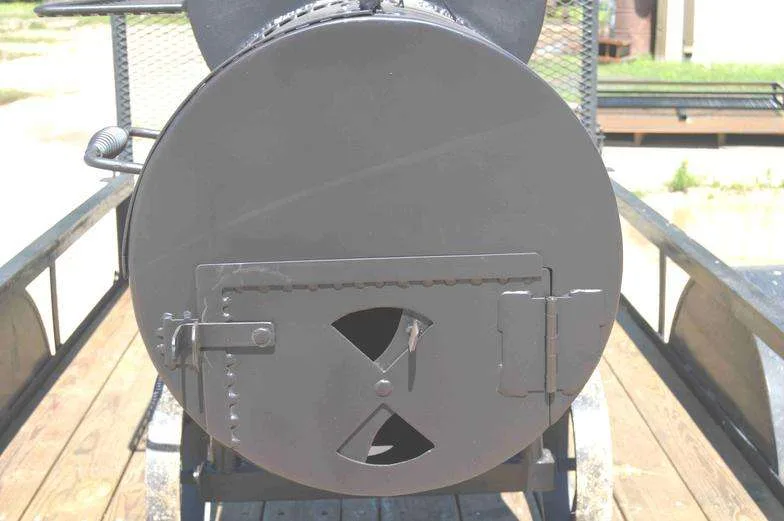
If you've got a charcoal grill or kamado, the problem almost always comes down to airflow. Charcoal needs oxygen to burn hot. Close the vents too far, and the coals smolder instead of glow.
The grill limps along at 250°F and never climbs.
Check the bottom vent first. It should be fully open during preheat. The top vent also stays open.
You're not smoking yet. You're trying to build heat. Open both wide and give the coals five minutes.
Use Enough Charcoal and Light It the Right Way
A small pile of briquettes can't produce serious heat. Most standard grills need at least 3 to 5 pounds of charcoal for a full preheat. That's roughly half to three-quarters of a standard chimney.
The fastest, most reliable method is a charcoal chimney. Fill it with briquettes or lump charcoal. Stuff a couple of sheets of newspaper or a paraffin starter cube underneath.
Light it and wait 15 to 20 minutes. The coals at the top should show a light gray ash.
Dumping unlit charcoal on top of a few lit coals slows everything. You end up waiting for the fire to spread instead of preheating the grate. If you must add unlit coals, put the fully lit ones on top.
That pushes heat down into the fresh fuel.
Lump charcoal burns hotter and faster than briquettes. It's better for quick searing preheats. Briquettes hold steady longer, but they can take a bit more time to fully ash over.
Clear Ash and Open Vents Fully Before Preheating
Ash is the silent preheat killer on charcoal grills. A thick layer under the charcoal grate blocks the intake air. The coals starve.
Clear the ash before every session.
On a kamado like a Big Green Egg, the firebox may have small air holes that clog easily. A quick stir with an ash tool or a long-handled brush opens them up. You'll see the flame jump within minutes.
If the grill still stalls, check the grate. Grease and food debris on the charcoal grate can restrict airflow from below. Scrape it clean.
The same goes for the bottom vent opening. A shiny clean vent lets in noticeably more air.
Pellet Grill Troubleshooting: Igniter, Fuel, and Electronics
Pellet grills confuse people because they look like gas grills on the outside. Inside, they're a small wood-fired furnace with a computer controlling everything. When preheat stalls, the problem is usually electrical or fuel related.
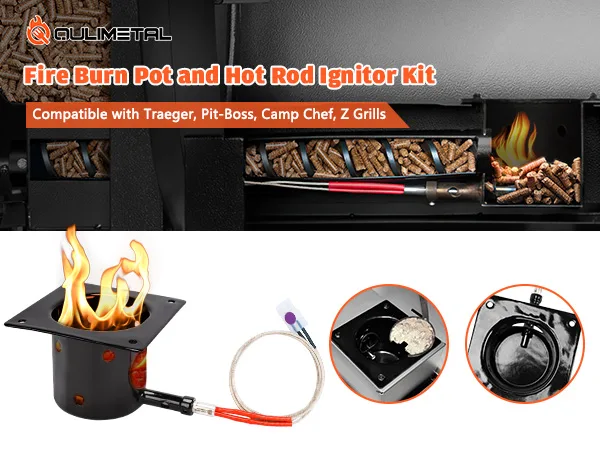
The controller sends pellets to the firepot. A hot rod ignites them. A fan forces air through the burning pellets.
If any one of those three parts fails, the firepot never gets hot enough. The grill stays stuck at 150°F or lower.
Check Pellet Quality, Moisture, and Hopper Flow
Wood pellets are the fuel, and they're picky about moisture. Pellets that have absorbed humidity turn soft and crumbly. They won't burn cleanly.
They produce more ash and less heat.
Store pellets in a sealed container. Don't leave them in the hopper for weeks in a humid climate. If you see dust or swelling in the hopper, empty it and refill with fresh pellets.
Also check the auger. A jammed auger stops fuel delivery completely. You'll hear the motor humming, but no pellets drop into the firepot.
Clear the auger according to the manufacturer's instructions. Most brands have a prime or empty mode that runs the auger in reverse.
Test the Hot Rod and Clean the Firepot
The hot rod glows red and ignites the pellets. If it fails, pellets pile up unburned. The controller keeps adding more.
Eventually, you get a smoky, cold firepot with wet pellets and no flame.
To check the hot rod, open the hopper lid and start the grill. Watch the firepot during startup. You should see a red glow within two to three minutes.
No glow means a failed igniter. Replacement rods are cheap and often plug in with a single connector.
The firepot also fills with ash over time. A full firepot blocks the hot rod and smothers the flame. Clean it out with a shop vac or a small scoop after every few long cooks.
That one habit fixes more preheat problems than any other pellet grill repair.
Verify the Temperature Probe and Ash Level
Pellet grills use a temperature probe to tell the controller how hot things are. If the probe is caked with smoke residue or touching cold metal, it sends a false reading. The controller thinks the grill is hotter than it really is.
So it stops feeding pellets.
Wipe the probe with a damp cloth before preheating. Position it away from the grate and the firepot. On most models, a small metal clip holds it in place.
If the clip is loose, the probe can drift. That causes wild temperature swings.
Don't forget the ash pan below the firepot. A full pan blocks the fan's airflow. The fan can't push oxygen into the firepot.
The fire smolders instead of burning hot. Empty the ash pan regularly.
Electric Grill and Flat Top Troubleshooting
Electric grills are simple, but they do have limits. Most draw 1,500 to 1,800 watts on a standard 120-volt outlet. That's enough for a 10 to 15 minute preheat on a mild day.
On a cold day, the same grill might never reach full searing temperature.
Check the outlet first. An extension cord that's too long or too thin robs the heating element of power. Use a heavy-duty cord rated for at least 15 amps and keep it as short as possible.
Plug the grill directly into a wall outlet when you can.
Flat top griddles come in both gas and electric versions. The gas models suffer the same regulator and burner problems as a standard gas grill. The electric versions, like a Blackstone E-Series, need a dedicated high-wattage outlet.
A weak outlet means a weak preheat.
On both types, the cooking surface itself adds a lot of thermal mass. A thick cast iron flat top takes longer to heat than thin grates. That's normal.
Expect the surface to read 50 to 100°F cooler than the air inside the lid during the first ten minutes.
The Mistakes That Quietly Sabotage Your Preheat
Most slow preheats aren't caused by broken parts. They're caused by habits we don't notice. Fix the habit, and the grill speeds up.
Here are the biggest offenders across all grill types:
- Opening the lid every few minutes to check the thermometer. Each lift dumps 50 to 100 degrees of air heat.
- Not cleaning the ash or grease after the last cook.
- Using old charcoal or damp pellets.
- Forgetting to reset the propane regulator before lighting.
- Turning the propane tank valve too fast.
- Closing the bottom vent too early on a charcoal grill.
- Using an undersized propane tank in cold weather. Small tanks lose pressure faster.
- Expecting a pellet grill to preheat like a gas grill.
Every one of these is an easy fix. The hard part is remembering that you're doing them.
One more thing. Many built-in lid thermometers are wildly inaccurate. They read 50 to 75 degrees off because they sit high and in the lid's cool zone.
Use a separate probe thermometer at grate level for a true reading. You might actually be preheating fine. The cheap lid dial just lies to you.
Weather, Wind, and Altitude: The Hidden Preheat Killers
Grill performance changes with the weather. If you've ever wondered why your grill was fast in July and dead in January, this section explains it.
Cold air steals heat faster than the burners can replace it. A gas grill at 20°F might need an extra 5 to 10 minutes. A pellet grill at 10°F might struggle to reach 400°F at all.
The firepot has to work harder to keep the chamber warm.
Wind is even worse. A steady 10 mph breeze across the grates pulls heat away constantly. You can see the flames flicker and lean.
Wind shields or a simple plywood barrier around the lower grill body can add 50°F or more during preheat. Some manufacturers sell fitted wind guards for popular models.
Thermal blankets help in freezing weather. They're insulated covers designed to stay on while you cook. Pellet grill owners in northern climates often keep one on from November through March.
It reduces pellet burn and stabilizes temperature.
High altitude reduces both oxygen and gas density. Most grills lose noticeable heat output above 4,000 feet. Above 5,000 feet, a natural gas grill often needs smaller orifices.
The thinner air also makes charcoal burn slower. You may need to open vents wider and use more lit coals to compensate.
For propane tanks, cold weather drops tank pressure. Below 0°F, a half-full tank may not deliver enough gas to run all burners on high. Keep the tank topped off in winter.
A full tank holds pressure better in the cold.
Safety First: Gas Leaks, Carbon Monoxide, and Fire Risk
Any gas grill work carries two real risks. The first is a fuel leak. The second is carbon monoxide exposure.
Both are avoidable with a few simple checks.
Before lighting, mix dish soap and water. Brush it on the hose, regulator, and connections. Bubbles forming mean a leak.
Tighten the fitting or replace the hose. Never use a grill indoors or in an enclosed space. Carbon monoxide builds fast and has no smell.
Keep the grill at least 10 feet from any structure per CPSC guidance.
How to Prevent Slow Preheats Before They Happen
Most slow preheats come from neglect, not age. A short seasonal routine prevents nearly all of them.
Clean burners and venturi tubes every spring. Clear ash and grease after every cook. Store pellets in sealed bins.
Check the regulator hose for cracks before the first use of the season. Run the grill on high for 10 minutes after cleaning. That burns off residue and confirms full power.
Quick Preheat Time Reference by Grill Type
These times assume calm weather, full fuel, and a clean cooking chamber. If your grill lands outside these ranges by more than 5 minutes, go back through the troubleshooting steps above.
- Propane gas: 10 to 15 minutes
- Natural gas: 10 to 15 minutes
- Charcoal: 15 to 20 minutes after coals ash over
- Pellet: 10 to 20 minutes depending on ambient temperature
- Electric: 10 to 15 minutes on a warm day
Frequently Asked Questions
Why does my gas grill only reach 300 degrees?
That's usually a tripped propane regulator or a partially clogged burner. Reset the regulator first. Then clean the burner ports and venturi tubes.
A weak yellow flame confirms low gas flow.
Can a dirty grill really slow down preheating?
Yes. Grease and ash block airflow and coat burners. The flame still burns, but it can't transfer heat efficiently.
Cleaning the burners and grates restores most of the lost speed.
Does cold weather affect propane grill preheat time?
Cold drops tank pressure. Below freezing, a half-full tank may not deliver full gas flow. Keep the tank full and shield the grill from wind.
Expect an extra 5 to 10 minutes in very cold air.
Why does my pellet grill take 30 minutes to preheat?
Wet pellets, a failing hot rod, or a full ash pan are the usual causes. Check the igniter first. It should glow red within two minutes.
Then clean the firepot and swap in dry pellets.
Should I preheat with the lid open or closed?
Always closed. An open lid lets heat escape faster than the burners can replace it. Close the lid and let the temperature climb.
For gas grills, only open it when you're ready to add food.

Similar Posts



















