Why Is Your Stainless Steel Grill Discoloring?
You fire up your shiny new stainless steel grill, cook a few burgers, and then notice something odd. The metal is turning blue, purple, brown, or chalky white. Why is my stainless steel grill discoloring?
Most of the time it’s heat tint, a natural oxide layer thickening as the metal gets hot. Sometimes it’s baked-on grease or hard water residue. Rarely, it’s actual rust.
In our research, we’ve found that most discoloration is cosmetic and doesn’t affect cooking. For example, 304 stainless steel, the grade common in higher-end grills, contains 18% chromium and 8% nickel. That chromium forms a thin, protective oxide layer.
As of 2026, manufacturers still stress that this layer is what makes stainless “stainless.” But heat can change its color. That’s where the confusion starts.

Quick Answer
Why is my stainless steel grill discoloring? Heat causes most of it. The metal oxidizes at high temperatures.
This creates a thin, colored film. Blue, purple, and gold streaks are normal. Baked-on grease turns brown or black.
Hard water leaves white chalky spots. Rust is rare on 304 stainless.
The Four Types of Stainless Steel Discoloration You’re Actually Seeing
Before you scrub anything, figure out which of these four you’re dealing with. Each one comes from a different source. The fix for one can make another worse.
Rainbow Heat Tint: Blue, Purple, Gold, and Brown
Heat tint is the most common type, and it shows up fastest. You’ll see it after the first high-heat cook, often around the lid, the firebox, or directly above the burners. Stainless steel gets hot, and the chromium oxide layer thickens.
As that layer grows, light bends differently through it. That’s why you see a rainbow of blue, purple, gold, and brown.
This is not a defect. It’s physics. The metal itself is fine.
You can reduce it with cleaning, but you can’t permanently remove it once the surface has been heated past a certain point. The color will come back every time the grill gets hot.
Chalky White Residue: Hard Water, Mineral Film, and Oxidation
If the discoloration looks like a dull white film or chalky streaks, water is probably the culprit. Hard water contains dissolved minerals like calcium and magnesium. When water evaporates on a hot or warm stainless surface, those minerals stay behind.
Over time they build up into a hazy white layer.
Tap water with chlorine or chlorides can also react with the surface. The result looks similar. This type of residue usually wipes away with a mild acid cleaner, like diluted white vinegar or a dedicated stainless steel cleaner.
It’s not permanent damage, but if you leave it, it can trap moisture and encourage pitting.
Sticky Brown or Black Buildup: Polymerized Grease and Seasoning
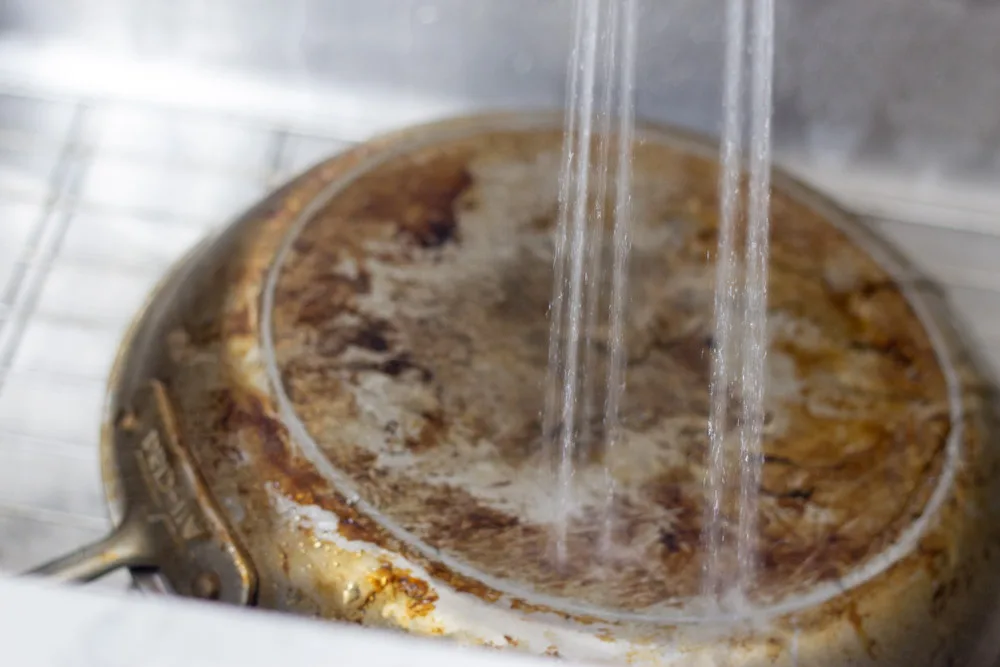
This one confuses a lot of grill owners. Brown or black buildup on stainless grates or the lid interior is usually polymerized grease, not rust. When cooking oils and fats get hot enough, they break down and bond to the metal.
That sticky, dark layer is basically seasoning, the same thing you’d want on a cast iron pan.
On stainless grates, a thin layer of polymerized oil actually helps prevent rust. It fills in microscopic pores and seals the surface. The problem is when it gets thick and flaky.
Then it looks terrible and can start to trap moisture underneath.
Rust-Colored Spots: True Rust, Tea Staining, or Embedded Carbon Steel
Real rust on stainless steel is possible, but it’s less common than people think. It usually shows up as orange or reddish-brown spots that don’t wipe off. Low-grade stainless, especially 430, can rust in salty or humid air.
Another cause is tea staining, a light brown surface stain that forms from salt and chloride exposure near coastlines.
One sneaky source of rust spots is using steel wool or a wire brush on stainless. Tiny carbon steel particles get embedded in the surface. Those particles rust later, making it look like the stainless itself is rusting.
The fix is to use non-scratch scrub pads and dedicated stainless steel brushes.
304 vs 430 Stainless Steel: Why the Grade Changes What You See
Not all stainless steel grills are the same. The grade of steel makes a big difference in how it discolors, how well it resists rust, and what it takes to clean it. Our research and manufacturer documentation consistently point to two grades you’ll see most often.
304 stainless steel is the workhorse of outdoor kitchens. It contains 18% chromium and 8% nickel, as noted by the Nickel Institute. That nickel gives 304 better corrosion resistance and makes it non-magnetic.
It still heat-tints, but it rarely rusts unless it’s exposed to harsh chlorides day after day.
430 stainless steel is cheaper. It contains 16% chromium and no nickel. It’s magnetic and less resistant to salt and humidity.
Budget grills often use 430 for side shelves, cabinet doors, or interior panels. It will show heat tint too, but it’s also more likely to develop rust spots or tea staining in tough conditions.
Here’s a quick side-by-side:
| Grade | Chromium | Nickel | Magnetic? | Corrosion Resistance | Typical Grill Use |
|---|---|---|---|---|---|
| 304 | 18% | 8% | No | Excellent | High-end hoods, grates, outdoor kitchens |
| 430 | 16% | 0% | Yes | Good, weaker in salt | Budget panels, shelves, interior parts |
If a magnet sticks firmly to your grill, you’re likely dealing with 430. If it doesn’t, it’s probably 304. Neither grade is “stain-proof.” Both will discolor with heat.
The difference shows up in rust and pitting risk over years.
How Your Fuel Type and Cooking Heat Make Grates Discolor
Your cooking style plays a bigger role than most people realize. Gas grills, charcoal grills, and pellet grills all produce different heat patterns. That changes where and how discoloration appears.
Propane burns hotter than natural gas in most residential setups. Manufacturer specs often list natural gas grills as burning slightly cooler at the burner, though the difference is small. What matters more is how you use the grill.
Searing a steak at 600°F to 700°F forces the stainless lid and grates through rapid heating and cooling cycles. Each cycle thickens the oxide layer a little more.
Direct flame contact causes localized heat tint. You’ll see blue and purple streaks right above the burners or along the flame tamers. That’s normal.
Pellet grills and smokers produce a different look. Low-and-slow cooking with wood smoke leaves a brown, sticky creosote and grease film on the stainless interior. It’s not rust, but it can look rough.
Sugary marinades and barbecue sauces make it worse. Sugar caramelizes and bonds to hot stainless. If you brush sauce on chicken or ribs, expect dark brown buildup on the grates.
The good news? That buildup can be removed. The heat tint underneath won’t be.
Coastal Air, Pools, and Humidity: Hidden Causes of Staining and Pitting
Location matters more than the grill itself in some cases. If you live near the ocean, your stainless steel grill faces a completely different set of problems. Salt in the air settles on the metal.
When humidity rises, that salt pulls moisture onto the surface. The result is tea staining, a light brown film that looks like rust but usually sits on the surface.
Chlorine from a nearby pool or hot tub is even harsher. Chlorides break down the passive oxide layer on stainless steel. Once that layer is compromised, the metal can start pitting.
Pitting looks like tiny dark dots that don’t wipe off. It’s permanent surface damage, though it rarely affects structural strength.
High humidity without salt can still cause issues. A grill stored under a tight vinyl cover in a humid climate traps moisture. That moisture sits on the stainless for hours.
If the surface already has mineral deposits or embedded carbon steel from cleaning tools, you’ll see rust spots form. The fix is simple. Use a breathable grill cover, wipe the grill dry after use, and avoid storing it tightly wrapped.
If you grill near the coast, rinse the exterior with fresh water regularly. That removes airborne salt before it reacts. Then dry it with a clean cloth.
A little monthly maintenance prevents most tea staining and pitting before it starts.
Step-by-Step: Diagnose Your Grill’s Discoloration Type
You can’t fix what you haven’t identified. So before you touch any cleaner, run through this quick checklist.
Ask yourself three questions:
Is the discoloration rainbow-colored or metallic? Blue, purple, gold, or bronze streaks mean heat tint. It’s bonded to the metal. No amount of scrubbing will remove it completely.
Does it feel sticky or oily? Brown or black buildup that feels tacky is polymerized grease. It sits on top of the surface. A degreaser will lift it.
Does it look chalky, white, or rust-orange? Chalky white is mineral film from hard water. Rust-orange spots need a closer look. If they wipe off with a cloth, they might just be surface tea staining. If they don’t, you may have true corrosion or embedded carbon steel.
Then match the pattern:
- Heat tint: cosmetic, permanent, harmless.
- Polymerized grease: removable, partly protective.
- White film: removable with mild acid.
- Orange spots: test with a clean cloth first.
Once you know which one you have, you can clean with confidence. If you skip this step and grab the wrong product, you can turn a small cosmetic issue into permanent surface damage.
Cleaning Methods That Restore Stainless Steel Without Scratching It
The goal of cleaning stainless is simple. Remove what sits on top. Preserve what protects underneath.
That thin chromium oxide layer does the real work of keeping rust away. Abrasive cleaners or harsh chemicals can strip it. Then the metal is exposed and vulnerable.
So the golden rule is: no steel wool, no wire brushes, no scouring powders. You want chemical action, not mechanical force. Mild acids and degreasers do the job without scratching the surface.
Citric Acid and the Passivation Layer
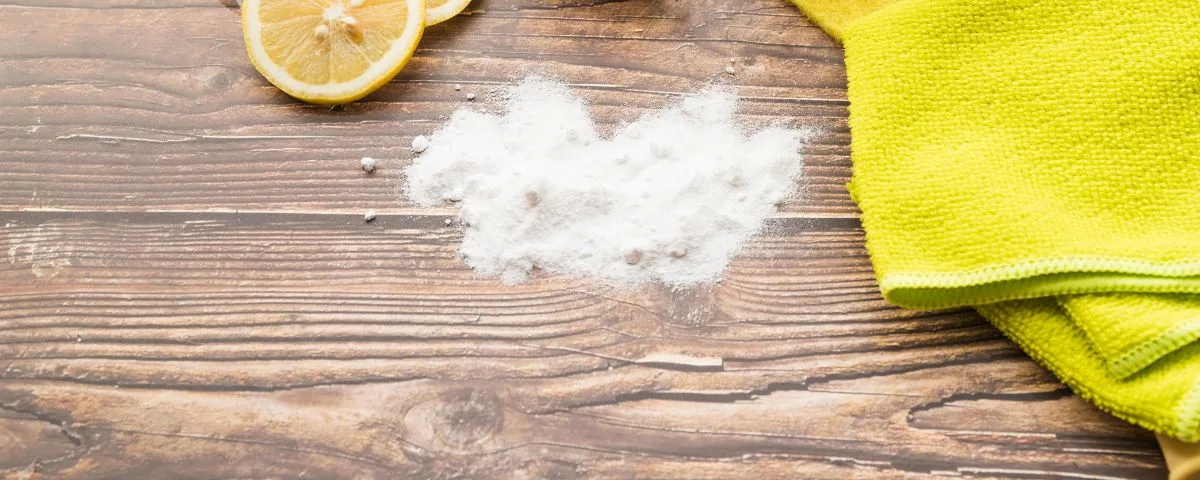
Citric acid is the unsung hero here. It dissolves mineral deposits, brightens the surface, and helps the stainless steel rebuild its passive oxide layer through a process called passivation. Many dedicated stainless steel cleaners use citric acid as their active ingredient.
You can buy a commercial stainless steel cleaner. Or you can make a simple solution at home. Mix one tablespoon of citric acid powder into a cup of warm water.
Apply it with a soft cloth. Let it sit for a minute or two. Rinse thoroughly with clean water.
Then dry the surface completely.
This works especially well on chalky white residue from hard water. It won’t remove heat tint, but it will remove the mineral film that makes heat tint look worse. The cleaned surface will look brighter and more uniform.
Degreasers, Plastic Scrapers, and Non-Scratch Pads
For brown or black polymerized grease, you need a degreaser first. A dedicated grill degreaser or a mild dish soap with warm water works. Spray it on while the grill is warm, not hot.
Warm metal softens the grease and makes it easier to lift.
Let the degreaser sit for a few minutes. Then use a plastic scraper to gently push off the thick buildup. A nylon scrub pad or non-scratch sponge works too.
Don’t use anything metal. Metal scrapers leave scratches that attract more grease and can embed carbon steel particles.
After degreasing, rinse well. Dry the surface. Then follow up with the citric acid rinse if you want to restore the finish.
The two-step process, degrease then passivate, works better than trying to do everything at once.
Mistakes That Make Grill Discoloration and Pitting Worse
Stainless steel is tough. But it’s not scratch-proof or chemical-proof. Some cleaning habits actually make discoloration more noticeable over time.
Here’s what to avoid:
Steel wool or wire brushes. They leave microscopic scratches. Those scratches trap grease, water, and salt. They also leave behind tiny carbon steel particles. Those particles rust later and look like rust on your grill.
Oven cleaner or bleach. These are too harsh for stainless. They can break down the passive layer and cause pitting. Once pitting starts, you can’t reverse it.
Chlorine-based cleaners. Anything with chlorine or chloride is a corrosion risk. This includes some pool cleaners and household disinfectants. Read the label carefully.
Hard water left to dry. If you rinse with tap water and let it air dry, minerals stay behind. Always dry with a clean cloth after rinsing.
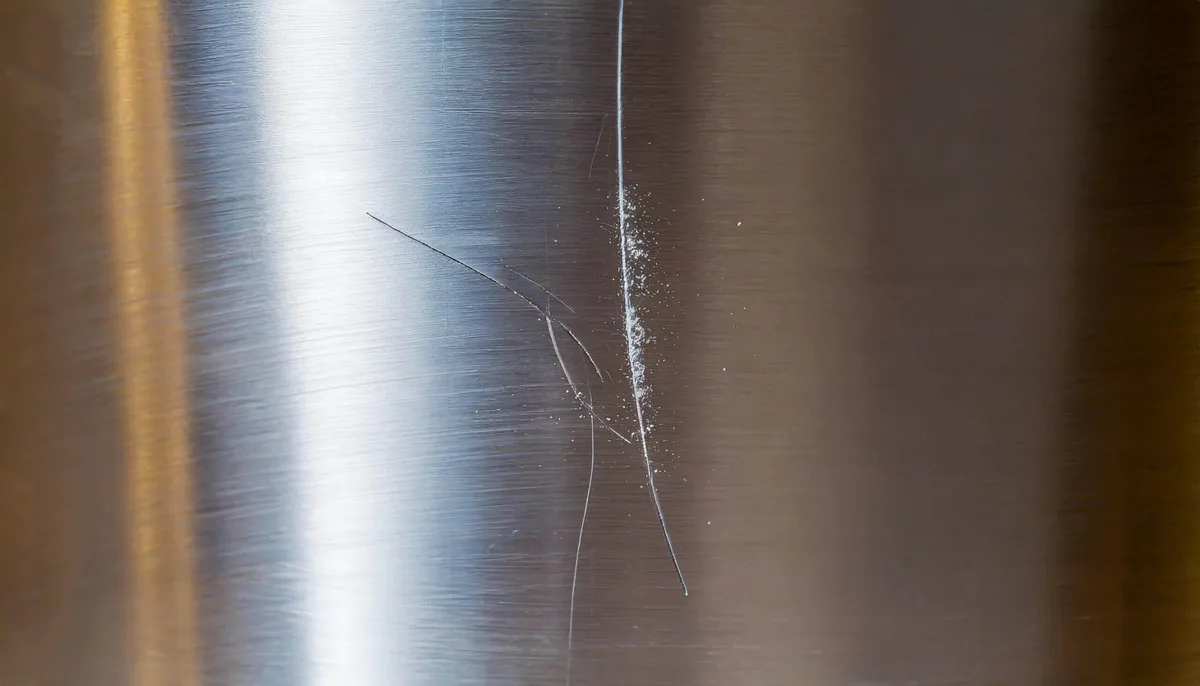
- Abrasive powders like Comet or Ajax. These scratch the surface. They also leave a residue that dulls the finish.
If you’ve already used steel wool, don’t panic. The damage is usually cosmetic. But those embedded carbon steel particles will keep rusting.
You can remove them with a stainless steel cleaner that contains oxalic acid. Oxalic acid chelates the iron particles and lifts them out. Then passivate with citric acid to restore the surface.
When Heat Tint Is Permanent — and Why That’s Usually Fine
Heat tint doesn’t scrub off. It’s not a coating. It’s the metal itself oxidizing at the surface.
Once the chromium oxide layer thickens from heat, the color change is locked in.
You can reduce the appearance with citric acid or a specialized stainless steel cleaner. These products thin the oxide layer slightly and even out the color. But the next time the grill gets hot, the tint will come back.
That’s not a failure. That’s just what stainless steel does.
Manufacturers know this. Many grill brands mention in their care guides that heat tint is normal and won’t affect performance. The metal still resists rust.
The grill still cooks the same. You’re the only one who notices the color.
If the tint really bothers you, the easiest fix is to embrace it. A uniform heat tint across the whole lid can actually look intentional, like a well-seasoned pan. You can even encourage even coloring by wiping the surface with a thin coat of oil before high-heat cooking.
The oil polymerizes and creates a more even patina.
Long-Term Stainless Grill Care: Seasoning, Storing, and wiping
Stainless grills last longer with a simple routine. You don’t need to obsess over it. A few habits keep the surface looking decent and the metal protected.
After each cook, do a quick wipe-down. Use a damp cloth to remove fresh grease and food splatter. If you’re grilling regularly, this takes two minutes.
It prevents the thick polymerized buildup that’s harder to remove later.
Season the grates lightly. After cleaning, apply a thin coat of high smoke point oil like canola or avocado oil. Heat the grill for five minutes.
The oil forms a light polymerized layer that protects against rust and makes future food release easier.
Store the grill with a breathable cover. Tight vinyl covers trap condensation. A breathable fabric cover lets moisture escape while keeping dust and rain off.
If you live near the coast, rinse the exterior with fresh water once a month and dry it.
At the start and end of grilling season, do a deeper clean. Degrease, passivate with citric acid, rinse, dry, and re-season the grates. This routine keeps discoloration from progressing from cosmetic to problematic.
It also extends the life of the grill by years.
Decision Guide: Match Your Discoloration to the Right Fix
If you’re still not sure what to do, here’s the short version.
Blue, purple, or gold streaks: Leave them alone. They’re heat tint and permanent. Use citric acid only if you want to even out the color.
Sticky brown or black layer: Degrease it. Warm the grill, apply a degreaser, scrape with plastic, then rinse and dry.
Chalky white film: Use citric acid or diluted white vinegar. Wipe it on, wait a minute, rinse with clean water, and dry.
Orange spots that wipe off: That’s surface tea staining. Clean with citric acid. Rinse with fresh water more often if you’re near the coast.
Orange spots that don’t wipe off: You likely have embedded carbon steel from steel wool or actual rust on 430 stainless. Use an oxalic acid cleaner to lift iron particles. Then passivate with citric acid. If the metal is pitted, replacement may be the only real fix.
FAQs About Stainless Steel Grill Discoloration
Can I use vinegar on my stainless steel grill?
Yes. Diluted white vinegar works well for hard water spots and light tea staining. Rinse thoroughly afterward.
Will cooking oil remove heat tint from stainless steel?
No. Oil can polymerize and even out the appearance, but it won’t change the underlying oxide layer.
Is discolored stainless steel safe to cook on?
Yes. Heat tint and polymerized grease are safe. Only remove rust if you see loose flakes.
Otherwise the grill is fine.
How do I stop my stainless steel grates from turning black?
You can’t stop heat tint or light seasoning entirely. Clean grates after each use and season them lightly to keep the color uniform.
Should I replace my discolored grill parts?
Usually no. Only replace them if there is deep pitting, structural rust, or holes. Cosmetic color changes don’t affect performance.

Similar Posts



















