Why Your Grill Knobs Are Melting—And How to Stop It
Why is my grill melting the knobs? If you've noticed soft, sticky, or misshapen control dials on your gas grill, the cause is almost always excess heat reaching the front control panel. It rarely happens all at once.
Usually the plastic degrades slowly until one day you grab a knob and it crumbles.
Manufacturer specs show that standard ABS plastic knobs start softening around 190 to 220 degrees Fahrenheit. A closed grill lid can push temperatures near the control panel well past that range, especially after a long preheat or a grease flare-up. Knowing what to check first saves you from just replacing knobs over and over.
Let's start with the short version.
Quick Answer
Your grill knobs melt because too much heat reaches the control panel. Burners sit too close to the knobs. Grease fires add intense heat.
A poor lid seal lets heat escape forward. Worn or aftermarket plastic knobs fail sooner. Check burner alignment, grease buildup, and missing heat shields first.
Replace plastic knobs with high-temp nylon or metal versions.
The Warning Signs: Warped, Soft, or Crumbling Knobs
Melted grill knobs don't always look like dripping plastic. You may notice smaller changes first. The knob might feel slightly tacky or sticky even when the grill is cool.
It may turn a darker color or lose its original shine. Over time the plastic warps. The dial may no longer sit straight on the valve stem.
Pay attention to how the knobs feel when the grill is running. If a knob is too hot to touch after ten minutes on high, that's a warning sign. Normal control knobs should stay warm at most.
Anything hotter means heat is bypassing the shield or deflecting toward the panel.
Common warning signs include:
- A knob that wobbles or spins without engaging the valve stem
- Soft spots or indentations on the knob surface
- Cracking or crumbling plastic around the metal insert
- Discolored or scorched areas on the control panel itself
- Knobs that stick when the grill is hot but turn freely when cool
Each of these points to a different heat path. The next step is figuring out what the knob is made of first.
Knob Materials and Heat Limits: ABS vs High-Temp Nylon vs Metal
Not all grill knobs are built the same. Most entry-level and mid-range grills ship with ABS plastic knobs. ABS is cheap to mold and feels fine on cooler grills.
But it has a low heat deflection temperature. Once that limit is reached, ABS softens, warps, and eventually melts.
High-temp nylon, often glass-filled PA6 or PA66, handles more heat. It resists deformation up to roughly 250 to 400 degrees Fahrenheit depending on the exact blend. You'll find these on better grills or as OEM replacements.
Metal knobs, usually stainless steel or aluminum, are the most heat tolerant. They won't melt or warp. But they can get uncomfortably hot to the bare hand if the heat source is still close by.
Here's how the common options compare:
| Material | Typical Heat Deflection Temp | Pros | Cons |
|---|---|---|---|
| ABS plastic | 190–220°F | Cheap, widely available | Melts easily, degrades over time |
| High-temp nylon | 250–400°F | Better heat resistance, good fit | Pricier than ABS, still plastic |
| Stainless steel | 500°F+ | Won't melt, long lasting | Gets hot, may need heat shield |
As of 2026, most OEM knobs from major brands like Weber, Char-Broil, and Nexgrill are still ABS or a basic nylon blend. They work fine when the grill is properly maintained and the heat path is controlled. Aftermarket universal knobs can be a risk.
Some are made from lower-grade plastic that fails even sooner. Always check the material spec before buying a generic set. If the original knobs melted, upgrading to high-temp nylon or metal is a smart move.
But that fix only hides the problem unless you address the heat source.
Control Panel Layout: Why Front-Mounted Knobs Melt Faster
Where the control panel sits matters more than most people realize. Many freestanding gas grills place the knobs on the front panel, directly below the firebox. That puts the plastic dials in the natural path of radiated heat from the burner tubes.
Add a closed lid and a front-facing lid gap, and hot air pours right onto the knobs.
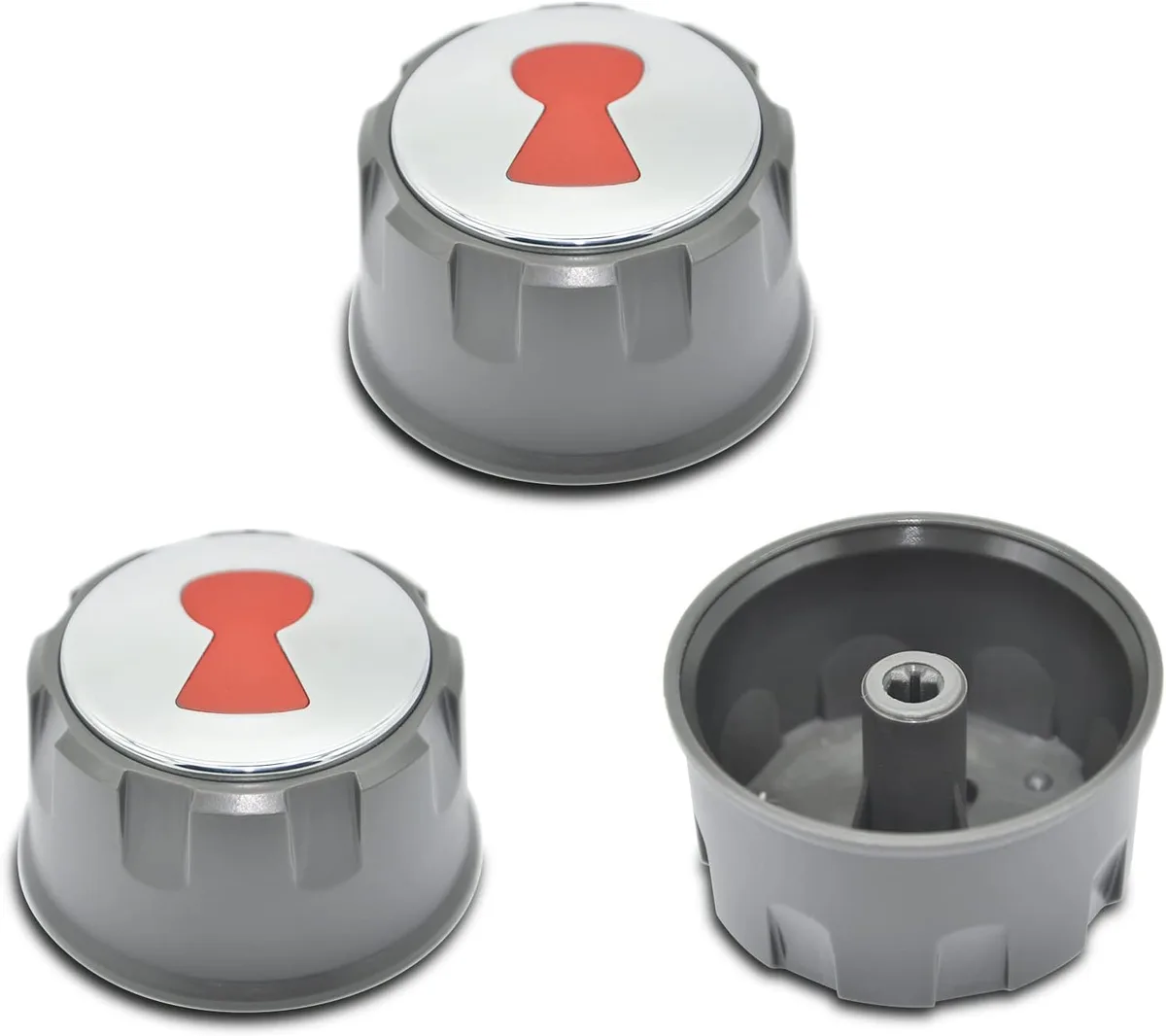
Built-in grill heads often move the controls to the side or top. That extra distance helps a lot. Freestanding grills with side controls also run cooler at the knob area.
If your grill has front-mounted knobs and no dedicated heat shield, the panel itself can act like a heat sink. Over repeated cooks, the plastic weakens.
The lid seal plays a role too. A warped lid or a hinge that's out of alignment leaves a gap at the front. During high-heat cooking, rising hot air escapes forward instead of through the rear vent.
That concentrated airflow hits the control panel directly. Even a small gap can raise local knob temperatures by 50 to 100 degrees. That's enough to cross the ABS softening point.
The Real Heat Sources: Burners, Grease Fires, and Lid Gaps
Melting knobs are a symptom, not the root cause. Three common sources push too much heat toward the front control panel. Understanding each one tells you what to fix first.
Misaligned or damaged burners. Burner tubes should direct flame upward and forward. If a burner is rusted, blocked, or knocked out of place, the flame can roll backward. In some cases you'll see a lazy yellow flame licking toward the valve stems.
This is called flame rollout. It also happens with flashback, when gas burns inside the venturi tube near the air shutter. Both conditions overheat the control panel area fast.
Grease fires and flare-ups. A flare-up from dripping fat can shoot flames several feet high. The heat doesn't just go up. It radiates in every direction, including toward the knobs.
A full grease tray or dirty flavorizer bars make this worse. The National Fire Protection Association offers outdoor cooking safety guidance that stresses keeping grease trays clean to prevent fires and heat damage.
Lid gaps and poor ventilation design. When the lid doesn't seal tightly at the front, hot convection air escapes toward the control panel. This is most common on older grills with warped lids or worn hinges. Even a small gap can turn the knob area into a heat trap.
Some grill designs simply channel too much heat forward during a full-burner high preheat.
If any of these conditions sound familiar, you're not alone. The next step is a systematic diagnosis. Check the burners first, then the grease tray, then the lid alignment.
That order catches the most dangerous problems early.
Step-by-Step Diagnosis: Isolate the Cause Before Buying Parts
You want to find the heat source before you spend money on new knobs. Start with the grill completely cool and the gas turned off at the tank or supply line. Remove the grates, flavorizer bars, and any heat tents so you can see the full firebox.
Work through these checks in order. They build on each other and catch the most common faults first.
- Inspect the burner tubes. Look for rust, holes, cracks, or misalignment. Pay close attention to the front section near the valve stems.
- Clean the burner ports and venturi tubes. A bent pipe cleaner or small wire brush works. Blow out any debris or spider webs.
- Check the heat shield. Look for the metal barrier between the burners and the front control panel. If it's missing, cracked, or loose, that's a big clue.
- Inspect the grease tray and drip pan. A full tray sits close to the burner. Clean it before you test anything else.
- Test for heat leakage. Reassemble the grill and run it on high for 10 minutes with the lid closed. Then open carefully and place a hand near the knobs.
If the knob area feels extremely hot after that short test, you have a heat path problem. If the knobs only get hot after 30 minutes of cooking with flare-ups, the issue is grease management or cooking style. If the knobs stay cool during a normal high preheat but melt during fatty cooks, focus on flare-up prevention first.
Checking Burner Alignment, Flashback, and Flame Rollout
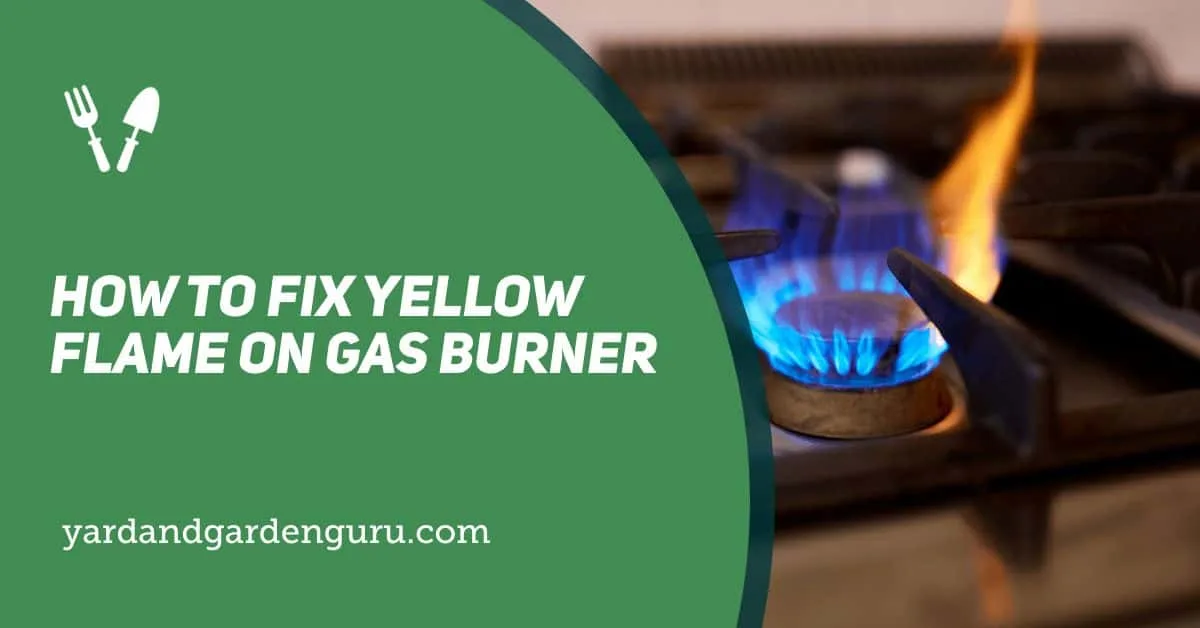
The burner tubes must sit level and centered under the heat tents. A burner that's knocked loose can tilt toward the control panel. That directs flame heat toward the valve stems and knobs.
Misalignment is common after moving a grill over uneven ground or after a rough winter.
Look at the flame pattern with the grates off. Light each burner individually on low. Then increase to high.
The flames should be mostly blue and burn upward through the flavorizer bar slots. They should never lick backward toward the control panel.
Watch for these three problem patterns:
- Flame rollout. Yellow or orange flames escaping from under the burner toward the front or sides. This indicates a blocked burner port or poor air mixing. Clean the ports and check the air shutter.
- Flashback. A small blue flame burning inside the venturi tube near the gas valve. You may hear a whistling or popping sound. This happens when burner ports are blocked, forcing gas back toward the valve. It can also happen after a regulator pressure issue.
- Backburn. A flame that burns inside the burner tube itself. This usually follows flashback or a heavily clogged burner. It can damage the valve and melt surrounding parts fast.
If you see any of these, shut the gas off immediately. Clean the burner tubes thoroughly. Check the air shutter adjustment.
In most cases, clearing blockages and resetting the burner position resolves the problem. If the burner tube has rust holes or cracks, replace it. Running a damaged burner only makes the knob problem worse.
Temperature Readings: What’s Normal and What’s Too Hot Near the Knobs
An infrared thermometer gives you hard numbers instead of guesswork. Point it at the base of the knob or the bezel where the knob meets the control panel. Take a reading after 10 minutes on high with the lid closed.
That's the worst-case scenario for most grills.
Here's what the readings mean in practice:
| Temperature at knob base | What it means | What to do |
|---|---|---|
| Below 150°F | Normal range | Keep monitoring during fatty cooks |
| 150–190°F | Getting risky | Check lid seal and grease tray |
| 190°F or higher | Above ABS softening point | Find heat source immediately |
| 250°F+ | Danger zone | Shut off and inspect burners and panel |
A properly functioning grill should stay under 150°F at the knob base during a closed-lid high preheat. If you're hitting 190°F or above, that explains melted plastic knobs. And if you're seeing 250°F or above, there's a serious heat leak or a burner fault.
Measure the temperature with the lid closed and all burners on high. Then open the lid and check again. If the reading drops quickly when the lid opens, the lid seal is the issue.
If it stays high with the lid open, the burners or a missing heat shield are likely to blame. This simple two-part test separates lid problems from burner problems.
Five Common Mistakes That Make Knob Melt Worse
Replacing melted knobs without fixing the root cause tops the list. The new knobs will fail the same way. But there are a few other mistakes that make things worse.
Using cheap universal knobs. Many generic sets are molded from low-grade ABS or nylon. They may lack the metal insert that keeps the valve stem connection solid. Some even melt faster than the OEM parts they replace.
Stick with the manufacturer's high-temp option or a verified sub.
Ignoring a missing heat shield. The thin metal plate behind the control panel is there for a reason. If it's cracked or gone, heat reaches the knobs directly. Some grills also have a fiber glass blanket behind the panel.
If that's degraded, it needs replacing.
Running all burners on high with a closed lid during preheat. This is by far the most common cause of heat soaking the control panel. Most manufacturers recommend preheating with the lid closed for 10 to 15 minutes. Running longer than that, especially with all burners on high, drives excess heat forward.
Cooking fatty foods without cleaning the grease tray. Burgers and chicken thighs produce a lot of dripping. If the tray or the flavorizer bars are coated in old grease, the next flare-up is much worse. Clean them every few cooks.
Ignoring a warped lid or bad hinge. A bent lid hinge or a dropped lid can create a gap across the front. That gap sends hot air right toward the knobs. Users often assume the design is at fault and replace the grill when a simple hinge adjustment would fix it.
Repair Options: Heat Deflector, Better Knobs, or Panel Replacement
Once the cause is clear, repairs usually fit into three paths. The right one depends on what's actually wrong.
Add a heat deflector. This works when the burners and lid are fine but the panel still gets too hot. A heat deflector sits between the firebox and the control panel. It redirects rising heat away from the knobs.
Some manufacturers sell an OEM deflector kit. Custom or universal deflectors also exist. This is often the cheapest fix if the panel isn't damaged.
Upgrade the knobs. If the panel and burners check out fine, the knobs themselves may be the weak link. In that case, replace them with high-temp nylon or metal knobs rated for direct heat exposure. Make sure the valve stems and inserts match your grill.
A tight fit is critical. Loose knobs can slip off during cooking or damage the valve stems.
Replace the control panel. If the panel is warped, scorched, or cracked, a new knob won't sit flush. You'll need a new OEM panel or knob bezel. This is usually the most expensive repair and the one people skip when trying to save money.
But a warped panel creates bigger gaps. That means more heat reaches the knobs in the future.
A simple decision flow:
- If the panel is warped or cracked, replace it and the knobs together.
- If the panel is fine but knobs melt, add a heat deflector and upgrade knobs.
- If the burner is damaged or misaligned, fix that first. Then reassess the panel and knobs.
Costs vary. A heat deflector kit might run $20 to $60. High-temp replacement knobs often cost $10 to $30 each.
A full control panel replacement may run $60 to $150 depending on the model. That's cheaper than buying a new grill if the firebox and lid are sound.
Next, we'll look at real-world examples from popular grill brands and the specific failure patterns each one tends to show.
Real Scenarios: Melted Knobs on Weber, Char-Broil, and Built-In Grills
Weber Spirit and Genesis models show a consistent pattern. The front-mounted control panel sits close to the side burner or main burners. When owners run all burners on high with the lid closed too long, the front panel gets hotter than expected.
The most common complaint is softened or deformed knobs after a year of use.
Char-Broil Performance series grills often show warped control panels first, not just melted knobs. On many of these units, the heat shield is a thin piece of metal that can crack and fall away. Once that's gone, the ABS knobs sit fully exposed.
Replacement panels and high-temp knobs are common fixes.
Built-in grill heads tend to show fewer melted knobs. That's because the control knobs sit to the side, away from direct heat. But when a built-in's knobs melt, it's usually a sign of a venting problem inside the enclosure.
That needs a different fix. You may need to add vents or a liner to protect the gas manifold.
Safety Warning: When Melted Knobs Signal a Gas Leak or Backburn
Melted knobs are not just a cosmetic problem. They can point to unsafe conditions at the gas valve or burner. If you smell gas near the control panel while the grill is off, stop immediately.
Do not light the grill. Shut off the tank. Soap-test the fittings around the valve stems.
Backburn or flashback can overheat the gas valve itself. That creates a fire risk inside the control panel area. If the valve stem or the brass fitting looks discolored, replace it.
Do not try to salvage a heat-damaged gas valve. The internal seals may be compromised.
Contact a licensed gas technician if you find damage to the manifold, regulator, or any hard-piped gas connection. Repairs at the line pressure connection should follow local code. The Consumer Product Safety Commission keeps records of grill recalls tied to valve and manifold issues.
Preventing Recurrence: Cleaning, Preheating, and Smart Modifications
The best fix is prevention. A clean grease tray and clean burner tubes stop most flare-up heat before it starts. Clean the burners every few months.
Clean the tray after every five to ten cooks.
A shorter preheat also helps. Ten minutes on high with the lid closed is enough for most grills. Then drop the lid open and reduce to cooking temperature.
Do not run all burners on high for 20 minutes unless the recipe truly demands it. That habit alone accounts for a lot of knob damage.
If the panel still gets hot, add a deflector. That's a one-time fix that works well. Pair it with high-temp knobs and the problem usually goes away for good.
Frequently Asked Questions
Can melted grill knobs be repaired?
No. Once plastic knobs warp or crumble, they need full replacement. You can't reshape ABS plastic safely.
Buy OEM high-temp or metal knobs instead. Make sure the valve stem insert is intact first.
Do all grills melt their knobs eventually?
Not all grills. Models with side-mounted or top-mounted controls rarely see this. Front-mounted knob designs are more at risk.
Proper cleaning, lid alignment, and preheating discipline keep most knobs from melting even after years of heavy use.
How do I know if my grill knobs are getting too hot?
Use an infrared thermometer after 10 minutes on high with the lid closed. Anything above 150°F at the knob base is a warning. Above 190°F is the ABS softening range.
Above 250°F means a serious heat leak or burner fault exists.
Are metal knobs safe on a gas grill?
Yes, but metal knobs can get hot. Stainless steel or aluminum knobs won't melt. But if the underlying heat problem is severe, they'll transfer heat to your hand.
Always pair metal knobs with a working heat shield and fixed burner alignment.
Can I use universal knobs from a hardware store?
Only if the valve stem matches exactly and the knob is high-temp rated. Most universal kits are ABS plastic. They will fail again if the heat source is still present.
Check the stem shape and material spec before installing anything.
How much does a good fix cost?
A heat deflector kit runs $20 to $60. High-temp knobs cost $10 to $30 each. A full panel replacement may run $60 to $150.
That's far less than a new grill if the firebox and lid are still sound.
Final Decision Guide: Repair, Modify, or Replace the Grill
Before you spend money, run through these three paths. They tell you exactly where you stand and what a repair should cost.
- If only the knobs are damaged, replace them with high-temp nylon. Add a deflector if the knobs are in a front panel.
- If the panel is warped or cracked, replace the panel plus knobs. That's usually under $200, well below a new grill.
- If the burners, firebox, or manifold show rust-through or heat damage, stop. Replace the grill. A damaged gas manifold is a safety problem.
Most knob melting issues are solvable with a deflector, better knobs, and consistent cleaning. That's the practical path for the vast majority of grill owners.

Similar Posts



















