Why Your Grill Pops Loudly and How to Fix It
You're standing at the grill, tongs in hand, and then it happens. A sharp pop or a deep whoosh that makes you jump back. If you've been asking yourself "why does my grill make loud popping sounds," you're not alone, and more importantly, you're right to be concerned.
That noise isn't just annoying. It's your grill telling you something specific about what's happening inside.
The good news is that most popping sounds are fixable, and many are preventable with simple maintenance. The better news is that understanding the cause will make you safer and a better griller. In our research across manufacturer manuals, safety guidelines from the NFPA, and aggregate reviews from thousands of grill owners, we've found that popping sounds fall into distinct categories with clear solutions.
As of 2026, the most common causes haven't changed much: grease, moisture, gas flow issues, and structural stress.
Quick Answer
Loud popping sounds from a grill come from four main sources. Grease fires cause sudden whooshes. Moisture trapped in burners or charcoal causes crackling pops.
Gas flow problems cause bangs at startup. And thermal expansion causes metallic pings. Each has a different fix.
Open the lid. Check for grease buildup. Inspect burner tubes.
If you hear hissing, turn off the gas immediately.
Gas Grills: The Biggest Risks and the Loudest Pops
Gas grills produce the most alarming sounds because you're dealing with fuel under pressure. When something goes wrong, the noise tends to be sharp, sudden, and genuinely startling. We've categorized the main causes below, ranked by how dangerous they are.
Grease Fires and Flare-Ups
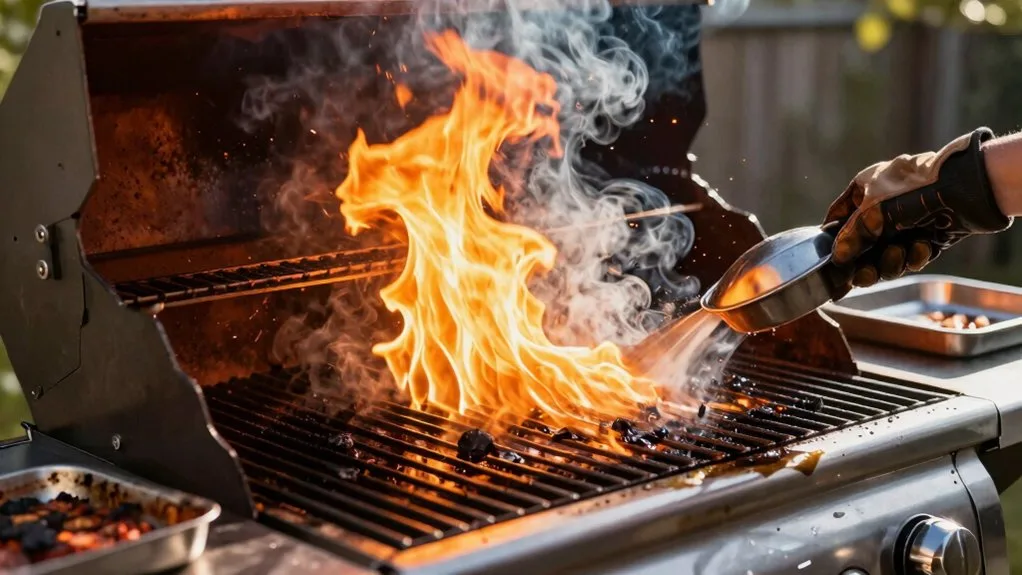
The most common source of a loud "whoosh" or roaring sound is a grease fire. Here's the mechanics of it: as you cook, fat and oil drip down from the grates onto the flavorizer bars, the burners, or the drip tray. Over time, that residue builds up.
When it reaches its smoke point and ignites, it produces a sudden burst of flame and heat. That's the whoosh.
How to identify it: A sudden burst of flame, a roaring sound that lasts more than a few seconds, and visible smoke. You'll often see flames leaping up past the grates and licking at your food.
How to handle it: Close the lid to cut off oxygen. Turn off the burners. Wait for the flames to die down.
Do not use water. Water on a grease fire will cause the burning fat to splatter and spread, which is how small flare-ups become full-blown disasters.
Flashback: The Sharp Bang at Startup
A flashback is a different beast. It's that sharp "bang" or "pop" you hear when you hit the igniter, but the sound doesn't come from the cooking surface. It comes from inside the burner tube or near the control knob.
Here's what happens: gas accumulates in the burner tubes before ignition. When the spark finally catches, it ignites a pocket of gas all at once, producing a mini-explosion with a loud bang.
Why it's dangerous: A flashback can damage the burner tubes, warp the venturi, and in extreme cases, crack the firebox. It's also startling enough to cause you to jerk, which is a safety risk in itself.
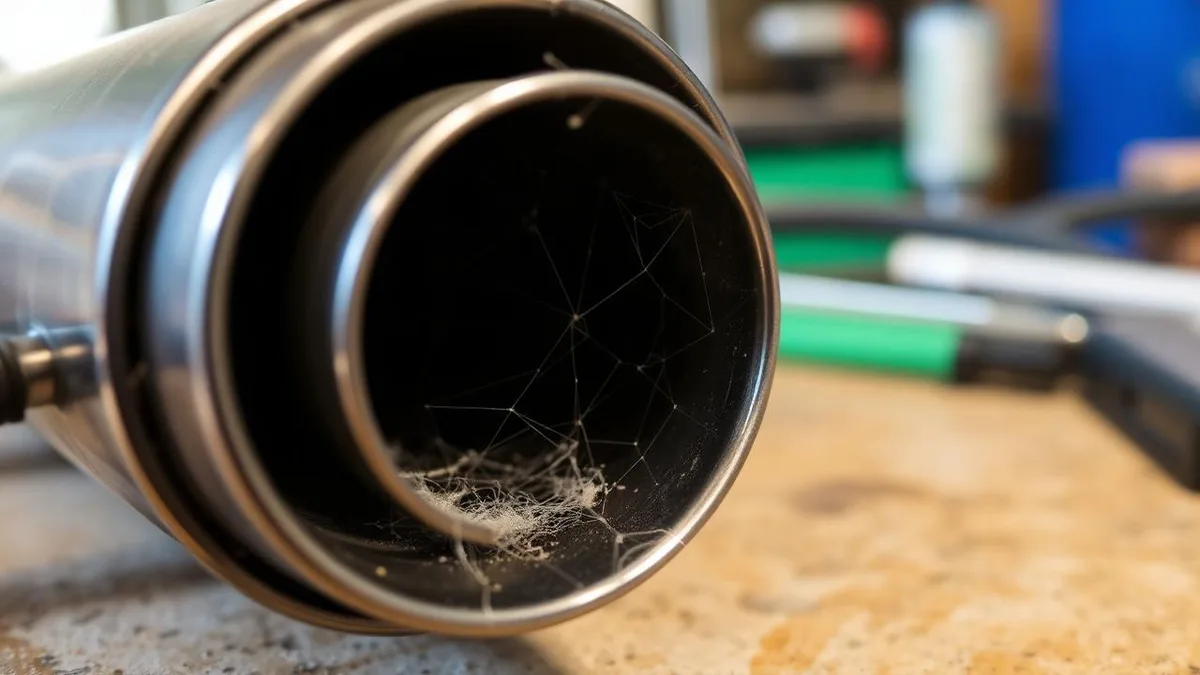
Common causes: Spider webs and insect nests in the venturi tubes, a misaligned burner, or simply opening the gas valve too slowly.
Regulator and Excess Flow Valve Issues
If you hear a popping or banging sound right after you turn the grill off, the problem might be your regulator. The excess flow valve inside the regulator is designed to limit gas flow if there's a sudden leak. But if you open the tank valve too quickly, the valve can trip, causing a sudden pressure change that manifests as a loud pop.
What to do: Close the tank valve completely. Wait 30 seconds. Slowly reopen it.
If you hear a soft click, the valve has reset. Then light the grill as normal.
Cold Weather Propane Problems
If you grill in winter, you've probably heard a different kind of popping. Propane vaporizes less efficiently in cold weather, which means the gas-to-liquid ratio in your tank changes. This can cause sputtering, uneven flame, and occasional popping sounds as the burner struggles to maintain a consistent supply.
Manufacturer specifications indicate that propane stops vaporizing effectively below approximately -40°F, but practical problems often start much earlier, especially below 30°F. If you're hearing sputtering pops in winter, try using a propane tank blanket or a larger tank to maintain consistent pressure.
Charcoal Grills: Moisture and Fat, Not Gas
If you're using charcoal, the cause of popping sounds is entirely different. There's no gas pressure, no regulator, and no risk of flashback. Instead, the noise comes from moisture and fat.
Why Wet Charcoal Pops
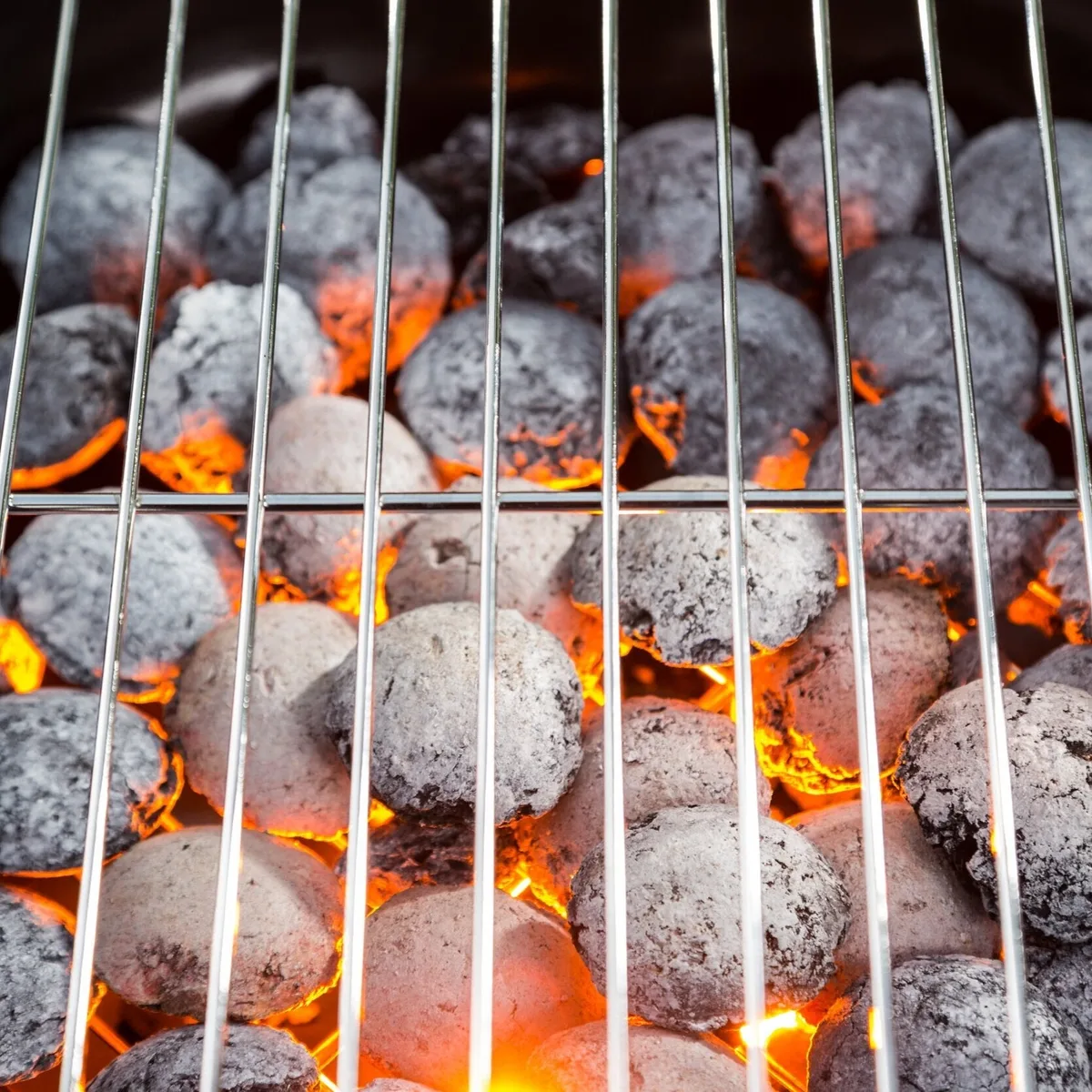
Charcoal briquettes are porous. They absorb moisture from the air, especially if you've left the bag open or stored them in a humid garage. When you light that damp charcoal, the trapped water expands rapidly as it turns to steam.
That rapid expansion creates a cracking or popping sound, similar to the way popcorn kernels pop.
How to identify it: A steady crackle or pop coming from the coals themselves, often accompanied by visible steam or white smoke.
What to do: Store your charcoal in a sealed container, one that's waterproof. If your charcoal is already damp, spread it in a single layer in the sun for a few hours before using it. In a pinch, you can use it as-is, but expect the popping to continue until the moisture burns off.
Fat Dripping Onto Hot Coals
The other common cause of popping sounds in charcoal grills is fat. When you place a fatty steak or chicken thighs over hot coals, the rendered fat drips down and hits the glowing embers. The fat instantly vaporizes, and that rapid vaporization makes a hissing, popping sound.
Is it dangerous? Not usually. It's the sound of normal grilling. But if you've got a thick layer of fat building up on the coals, it can cause flare-ups, which are more concerning.
What to do: If the popping is accompanied by sudden flames, move the food to a cooler part of the grill. And next time, trim excess fat before cooking. A simple but effective fix.
Lighter Fluid Residue
Here's a less common cause that's worth mentioning. If you use lighter fluid and don't let it burn off completely before adding food, the residual fluid can vaporize during cooking. That produces pops and crackles, and it also imparts a chemical taste to your food.
The safe approach: Per NFPA outdoor cooking guidelines, you should never add lighter fluid to hot or even warm coals. The flash point of most lighter fluids is low enough that this can cause a sudden flare-up. Always let the fluid burn off completely, which typically takes 10 to 15 minutes, before you start cooking.
Pellet Grills: Auger Clogs and Igniter Issues
Pellet grills occupy a middle ground. They're electric, so there's no gas pressure to worry about. But they do have a mechanical auger and an igniter, both of which can produce popping sounds.
If you're hearing pops from a pellet grill, here's what's usually going on.
Auger Back-Burn
The auger feeds wood pellets into the firepot. If pellets get stuck or if the firepot overfills, the flame can travel backward up the auger tube. When it reaches a pocket of pellets, it ignites them all at once, producing a loud pop or bang.
Warning signs: A popping sound accompanied by smoke coming from the hopper, a hopper that feels unusually hot, or pellets that appear charred or blackened.
What to do: Immediately turn off the pellet grill and unplug it. Let it cool completely. Then clean out the auger tube and firepot, removing any charred pellets.
This is not a "finish cooking first" situation. Auger back-burn can damage the hopper and, in extreme cases, cause a fire.
Igniter Rod Delayed Ignition
The igniter rod is a metal heating element that lights the pellets in the firepot. If it's failing or if it's covered in ash, it might take longer to reach the ignition temperature. When the pellets finally catch, they can ignite in a burst, producing a pop.
How to diagnose it: If your pellet grill regularly takes longer than 5 minutes to produce smoke, or if you hear a pop shortly after the smoke starts, the igniter rod is a likely culprit.
What to do: Clean the firepot and igniter rod regularly. If the problem persists, the igniter rod may need replacement. Most manufacturers, including Traeger and Pit Boss, provide replacement igniter rods and instructions in their manuals.
The Sounds You Should Never Ignore
Not all popping sounds are created equal. Some are minor annoyances that resolve themselves. Others are warning signs that require immediate action.
Knowing the difference can prevent serious damage to your grill and, more importantly, keep you and your family safe.
A Single Loud Bang at Startup
This is the sound of a flashback or a gas accumulation event. While it's often harmless, it can indicate a blockage in the venturi tubes or a misaligned burner. If it happens more than once, inspect your burner tubes for spider webs and debris.
Continuous Popping During Cooking
If the popping doesn't stop after the first few minutes of cooking, something is persistently wrong. It could be a grease fire, a moisture problem in your charcoal, or a gas flow issue. Don't ignore it.
Investigate.
Popping After You Turn the Grill Off
This one is usually safe and isn't related to gas. It's often your grill cooling down, with the metal components contracting and creating cracking or ticking sounds. But if it's accompanied by the smell of gas, turn off the tank immediately.
Hissing Followed by Popping
Hissing before or during popping is a red flag. Hissing indicates a gas leak. If you hear hissing, turn off the gas tank immediately.
Do not touch any electrical switches. Open the grill lid and wait for the area to ventilate. Then perform a soapy water leak test on the hoses and connections.
How to Diagnose the Pop Yourself (Safely)
Here's the good news: most grill popping sounds are preventable and fixable with basic maintenance. We've put together a step-by-step diagnostic process that mirrors the one used by professional grill repair technicians. Follow these steps in order, and you'll generally find the culprit.
Step 1: Listen and Locate the Sound
Where is the pop coming from? This tells you more than any other single piece of information.
- Popping from the burner area during cooking: likely grease or moisture.
- Popping at startup, near the knob or tank: likely a gas flow issue.
- Popping from the coals: likely moisture in the charcoal.
- Popping after shutdown: likely thermal contraction, which is normal.
Step 2: Check the Obvious
Open the lid. Look at the flavorizer bars and the drip tray. Is there a thick layer of charred grease?
If so, that's your problem. Scrape it off and place a clean drip pan under the grates.
Step 3: Inspect Burner Tubes and Venturi
This is the step that catches most blockage issues. With the grill turned off and the gas tank disconnected, remove the burner tubes and look inside them. You're looking for spider webs, insect nests, rust flakes, or any other debris that could be disrupting the gas flow.
Step 4: Test the Regulator and Gas Line
This is where safety matters most. Mix a small amount of soapy water and apply it to the hose connections and the regulator fittings. Turn on the gas tank.
If you see bubbles forming, you have a leak. Tighten the connections or replace the hose.
Step 5: Know When to Stop
If you've completed the first four steps and still can't find the cause, stop diagnosing. Call a licensed grill repair technician or contact the manufacturer's customer service. It's worth the cost of a service call to ensure your gas grill is operating safely.

Similar Posts



















