Grilled Tacos: Smoky, Juicy, and Ready in Minutes
Learning how to make grilled tacos comes down to a few smart decisions before the meat ever hits the fire. You want a tortilla with real char, filling that stays juicy, and a taco that actually holds together when you fold it. Get these pieces right and taco night turns into something way better than the usual soggy mess.
The proteins you pick set the timing. The USDA safe minimum internal temperatures matter a lot here. Chicken must reach 165°F before it’s safe to eat.
Steak only needs 130°F to 135°F for a proper medium rare. That gap changes everything about how you manage your fire, your prep, and your timing. As of 2026, the USDA food safety guidelines still flag poultry as the one protein you can’t guess on.
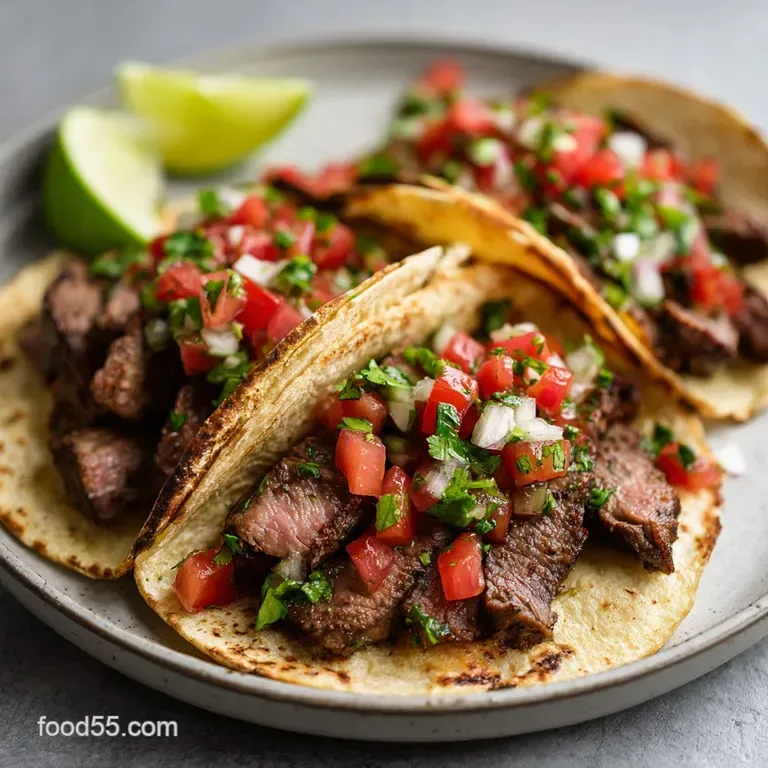
Why Grilled Tacos Fail: The Soggy Tortilla and Raw Center Problem
Most grilled taco disasters come down to two simple issues. The first is a tortilla that turns limp and greasy before you even take a bite. The second is meat that chars on the outside while the inside stays underdone or turns to leather.
Both problems share the same root cause. People treat a taco like a stir fry and blast everything over high direct heat with no plan.
A tortilla absorbs moisture fast. When you pile juicy filling onto a cold or poorly charred tortilla, it soaks through in under a minute. Steam from the meat softens it further.
The result is a taco that drips and tears apart. This happens because corn tortillas, especially, need that quick hit of dry heat to firm up their structure and build flavor. Without it, you’re left with a sad, soggy wrap.
The raw center problem is just as common. Thick cuts of steak or chicken go straight from the fridge to a blazing grill. The outside burns before the inside has time to cook.
A two-zone fire fixes this. It gives you a hot area to sear and a cooler area to finish cooking gently. This is the single most important setup for grilled tacos.
It’s the difference between a perfect carne asada and a burnt, raw disappointment.
Your heat source matters too, but not as much as heat control. Charcoal, gas, pellet, and even a cast iron grill pan can all work. What matters is that you create two zones.
One high-heat zone for searing and charring. One low-heat zone for gentle finishing.
Quick Answer
Grilled tacos need a two-zone fire. Use direct high heat for searing. Use indirect lower heat for finishing.
Grill proteins to safe internal temperatures. Char tortillas 15 to 20 seconds per side. Assemble tacos while everything is hot.
Keep toppings simple and fresh.
Decision 1: Picking Your Protein (Steak, Chicken, Shrimp, Fish, or Veggies)
Your protein choice drives every other decision from marinade to grill time. Each one behaves differently over live fire. If you try to cook shrimp like steak, you’ll get rubbery curls.
If you treat chicken like fish, you’ll get dry strips. So pick first. Then build your fire and timing around that protein.
Here’s a quick guide for the most common grilled taco proteins as of 2026:
| Protein | Target Internal Temp | Approx. Direct Heat Time | Key Trait |
|---|---|---|---|
| Skirt steak | 130–135°F | 3–4 min per side | Fast sear, slice thin |
| Chicken thighs | 165°F | 5–7 min per side | Tolerates heat, stays juicy |
| Shrimp | 120°F (opaque) | 2–3 min per side | Very fast, watch closely |
| White fish | 145°F or flakes | 3–4 min per side | Delicate, sticks easily |
| Portobello or zucchini | N/A | 3–4 min per side | High moisture, no temp target |
Steak: Skirt vs Flank and Target Temps
Skirt steak is the classic choice for grilled tacos. It’s thin, beefy, and takes a marinade beautifully. Flank steak works too, but it’s slightly leaner and can dry out faster.
Both cuts need high heat and a short cook. You want a hard sear on the outside and a pink, juicy center.
Aim for 130°F to 135°F internal for medium rare. Pull the steak off around 5°F below your target because the temperature keeps rising as it rests. That rest period matters more than people realize.
Five to ten minutes lets the juices settle so they don’t spill out when you slice. Slice against the grain in thin strips. This breaks up the muscle fibers and makes every bite tender.
Chicken: Why Thighs Beat Breasts on the Grill
Boneless chicken thighs are the better pick for grilled tacos. They have more fat and connective tissue than breasts, which means they stay moist over direct flame. Chicken breasts go from juicy to sawdust in about ninety extra seconds.
Thighs give you a much wider margin for error.
Marinate thighs for at least 30 minutes before grilling. A mix of lime juice, garlic, cumin, and a little oil works well. The acid tenderizes while the oil helps prevent sticking.
Cook thighs over medium-high heat until they hit 165°F internally. Then rest them for five minutes before chopping into bite-size pieces. This gives you juicy chicken with charred edges that actually taste like something.
Shrimp and Fish: Fast Cooks That Need Watching
Shrimp cooks in a flash. Two to three minutes per side over direct medium-high heat is usually enough. You know they’re done when they turn opaque and firm.
If they curl into tight little circles, they’re overcooked. Use a grill basket or skewers so they don’t fall through the grates. A quick marinade with lime, chili, and garlic adds plenty of flavor without making them mushy.
Fish needs a clean, well-oiled grate. White fish like cod, tilapia, or halibut works best because it flakes nicely and takes smoke well. Cook fish for three to four minutes per side over medium heat.
Don’t move it until it releases naturally from the grate. If you force it, the fillet tears. Once it flakes with a fork and reaches 145°F, pull it off.
Veggies: The Meatless Route
Grilled vegetable tacos are not a sad afterthought. Zucchini, portobello mushrooms, bell peppers, and onions all take beautifully to live fire. The trick is cutting them thick enough to survive the grates.
Thin slices shrivel and fall apart. Aim for half-inch slabs or large chunks.
Toss vegetables in oil, salt, and cumin before grilling. Cook them over medium heat for three to four minutes per side. You want visible char but still some bite.
Mushrooms release a lot of water, so give them space. Overcrowding the grill steams them instead of searing. Serve veggies with a creamy sauce or smashed avocado to round things out.
Decision 2: Gas vs Charcoal vs Pellet vs Stovetop Grill Pan
Your heat source shapes flavor, timing, and cleanup. None of these is universally better. It depends on your space, your schedule, and how much smoke you want.
If you have a charcoal kettle and time, you’ll get the deepest flavor. If you need dinner in 30 minutes, gas wins. If you want set-and-forget convenience, pellet grills are hard to beat.
If you live in an apartment, a cast iron grill pan still gets you close.
Charcoal: When Maximum Smoke Is Worth the Wait
Charcoal delivers the smokiest, most authentic grilled taco flavor. A chimney starter gets the coals ready in 15 to 20 minutes. Bank the lit coals to one side to create your two-zone fire.
The direct side gives you that hard sear. The cooler side lets you finish gently.
The tradeoff is control. Charcoal heat fluctuates. You need to watch the vents and move food around more.
But for steak and chicken tacos, that live-fire flavor is worth the extra effort. If you’re grilling on the weekend and want the best possible result, charcoal is the move.
Gas: The Weeknight Speed Option
A gas grill heats up in 10 to 15 minutes and gives you steady, predictable heat. Turn one or two burners on high and leave the others off. That’s your two-zone setup.
This is perfect for weeknights when you don’t want to babysit coals. You still get good char, especially if you use a cast iron grate or griddle insert.
The downside is milder smoke flavor. Gas doesn’t create the same deep, wood-fired taste as charcoal. But for shrimp, fish, and chicken tacos that rely on marinades and toppings, gas works great.
It’s also easier to control flare-ups by simply turning a dial.
Pellet Grills: Set It, Smoke It, Forget It (Mostly)
Pellet grills combine smoke flavor with hands-off temperature control. You set the dial to 400°F or so, let the pellets feed automatically, and the grill holds steady. This is great for longer cooks or when you’re feeding a crowd and don’t want to hover.
Pellet grills also give you a gentle smoke that works well with chicken thighs and pork.
The tradeoff is that most pellet grills don’t sear as aggressively as charcoal or gas. You can buy sear plates or crank the temp high, but the direct flame is often shielded. For tacos, that’s usually fine.
Open the sear plate if yours has one, or just accept a slightly softer crust in exchange for set-and-forget ease.
Grill Pan: The Apartment Balcony Fix
A cast iron grill pan on a stovetop can absolutely make solid grilled tacos. Preheat it until it’s smoking hot. Add a little oil, then sear your protein in batches.
You won’t get true smoke flavor, but you’ll get char marks and a good crust. This works for steak, chicken, shrimp, and veggies.
The main limits are space and ventilation. A pan can’t fit as much food as a full grill. You also need decent airflow or your kitchen fills with smoke.
But for apartment dwellers or rainy nights, it’s a reliable fallback. Use a cast iron press or a heavy spatula to get better contact and deeper char.
Decision 3: Corn vs Flour Tortillas and How to Char Them
Your tortilla choice changes the texture, flavor, and structure of the taco. Corn tortillas are the traditional pick for grilled tacos. They’re earthy, slightly nutty, and they char beautifully over dry heat.
Flour tortillas are softer and more pliable, which makes them easier to fold without cracking. Neither is wrong. They just serve different purposes.
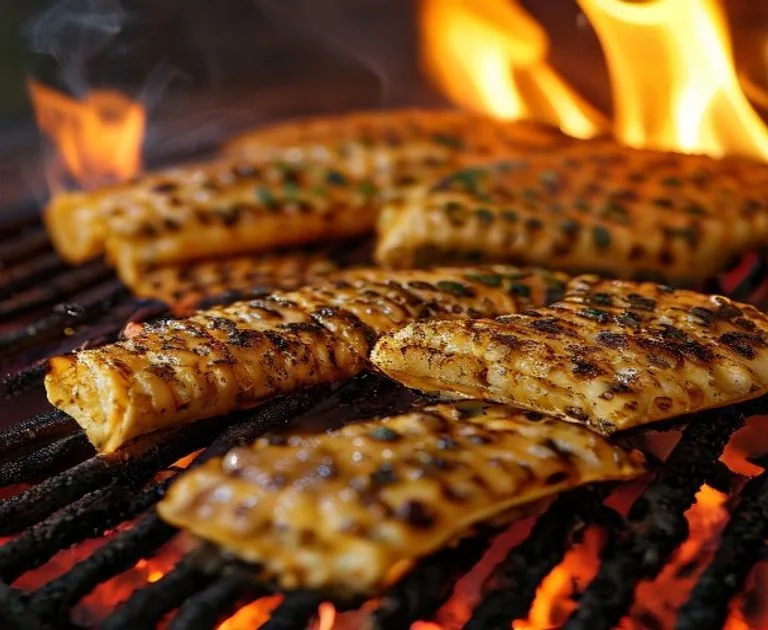
Why Corn Tortillas Are the Classic Choice
Corn tortillas are made from masa harina, which gives them that distinct corn flavor. They’re naturally gluten-free, which matters for a lot of people. When you char a corn tortilla over direct flame, the edges get crisp and the aroma intensifies.
That slight char is part of what makes a street taco taste right.
The downside is that corn tortillas crack easily when folded. They dry out fast if left on the heat too long. That’s why you warm them for only 10 to 20 seconds per side.
Stack them in a clean kitchen towel or tortilla warmer as you go. The steam keeps them pliable. For heavy, juicy fillings, many taqueros double up two corn tortillas per taco.
When Flour Tortillas Make Sense
Flour tortillas are softer, stretchier, and hold up better with saucy fillings. They’re the better pick for bigger tacos or when you’re piling on lots of toppings. The gluten gives them that chewy pull that corn doesn’t have.
If you’re making grilled chicken tacos with a creamy sauce, flour works really well.
Char flour tortillas the same way. Ten to fifteen seconds per side over direct heat gives you light brown spots without making them crispy. Don’t leave them long enough to harden.
A flour tortilla that gets too much direct heat turns brittle and cracks when you try to fold it. Warm them just before assembly so they stay soft and pliable.
Setting Up Your Grill: The Two-Zone Fire for Perfect Doneness
The two-zone fire is the backbone of grilled tacos. It solves the raw center problem and the burnt outside problem at the same time. You set up one side of the grill for high direct heat.
You leave the other side cooler for indirect finishing. This gives you complete control.
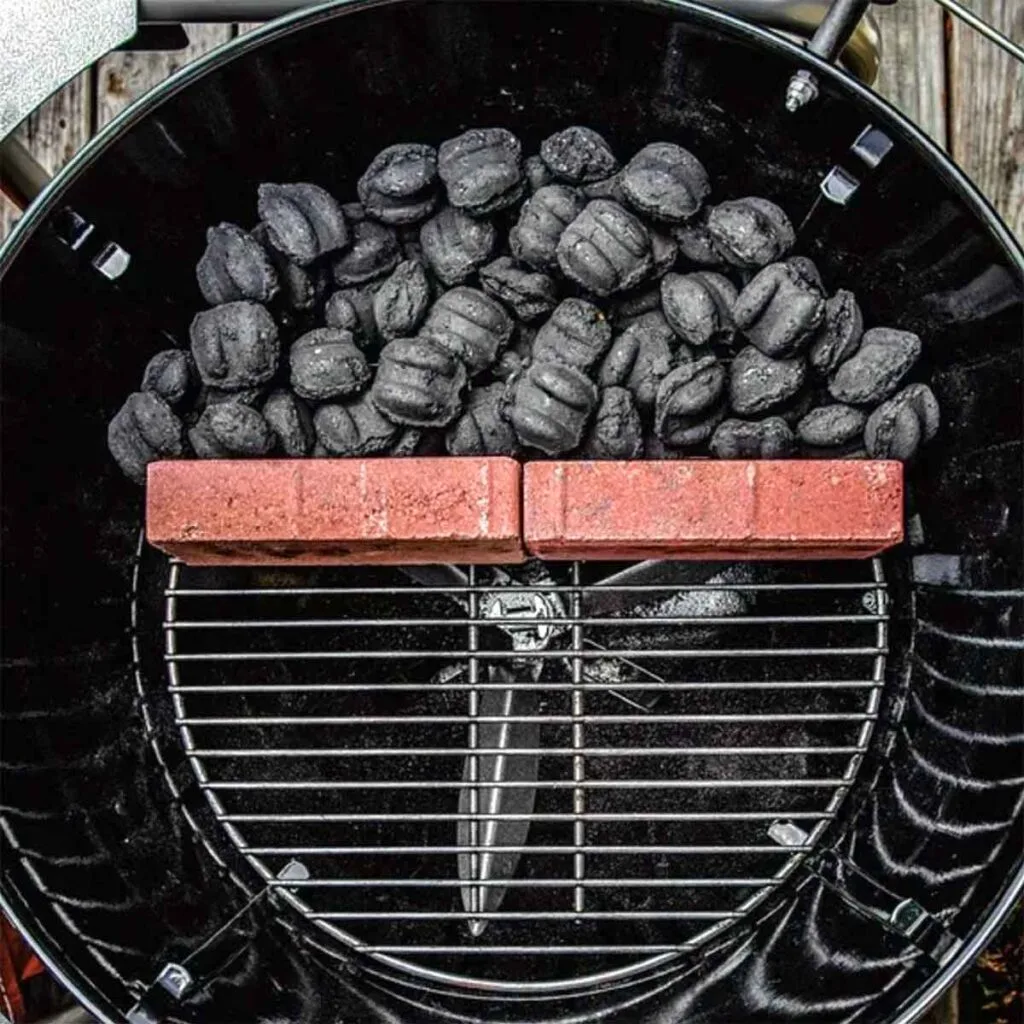
For a charcoal grill, light a full chimney of coals. Once they're glowing with a light gray ash, dump them onto one side only. Leave the other side empty.
That's your direct and indirect zones. For gas, turn one or two burners high. Leave the remaining burners off.
For pellet grills, set the temperature around 400°F and use the sear plate if available.
Direct vs Indirect Heat Explained
Direct heat means food sits directly over the flames or hot coals. That's where you get sear marks, char, and caramelization. Indirect heat means the food cooks next to the heat source, not over it.
The hot air circulates and finishes the inside gently. This two-step approach works for every protein on this list.
Getting the Temperature Right for Different Proteins
Steak wants the hottest direct zone you can manage. Sear it fast, then move it to the indirect side if it needs more time. Chicken thighs do well over medium-high direct heat, then get finished indirect until they reach 165°F.
Shrimp and fish stay over medium direct heat the whole time. They cook so fast there's no need for finishing. Vegetables need medium heat and frequent flipping.
Step-by-Step Workflow: From Marinade to Assembled Taco
Start with a plan before the grill gets hot. Prep everything first. That way nothing burns while you're still chopping onions.
Here's the full sequence.
Prep and Marinade Timing
Marinate your protein 30 minutes to 8 hours ahead. Keep it refrigerated. Too much acid turns chicken mushy after a few hours.
Pull the meat out 20 minutes before grilling so it comes to room temperature. Pat it dry with paper towels. Wet meat steams instead of sears.
Season lightly with salt right before it hits the grate.
Searing, Resting, and Slicing Against the Grain
Sear the protein over direct heat until you get visible char. Move it to indirect heat if the inside needs more time. Check temperature with a meat thermometer.
Pull it about 5°F below your target. Rest steak and chicken for 5 to 10 minutes. Then slice steak against the grain into thin strips.
Chop chicken into bite-size pieces.
Finishing the Tortillas on the Grates
Warm tortillas last. Place them directly on the grates for 10 to 15 seconds per side. You want light brown spots, not crisp shells.
Stack them in a clean towel. The trapped steam keeps them soft and foldable. For tacos with lots of juice, double up corn tortillas.
The Assembly Line That Keeps Things Hot
Have everything within reach before you start assembly. Warm tortillas, sliced protein, chopped onion, cilantro, salsa, and lime wedges. Work fast.
A hot taco is a good taco. The longer it sits, the soggier it gets. Let people build their own or assemble a few at a time.
Either way, serve immediately.
Common Grilled Taco Mistakes That Ruin Dinner
Even experienced grillers make these errors. They're easy to avoid once you know what to watch for.
Flare-Ups and Sticking: The Oil and Grate Problem
Flare-ups happen when fat or marinade drips onto hot coals or burners. The flame shoots up and scorches the food. This creates bitter, blackened spots instead of a clean char.
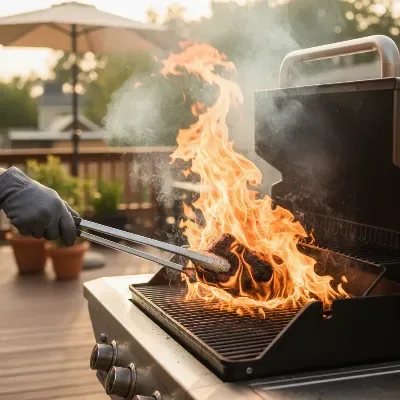
Sticking is just as common. Food bonds to a dirty or too-cool grate. Clean the grates while the grill is hot.
Then oil them lightly using a paper towel dipped in high-smoke-point oil. Don't spray aerosol oil near an open flame. It can flash.
Overcooking Thin Cuts and Forgetting to Rest Meat
Thin skirt steak can go from perfect to jerky in under a minute. Watch it closely. Use a timer if you have to.
Pull proteins early and let carryover heat finish the job. Skipping the rest period means juices spill out when you slice. Dry tacos are a direct result.
Cross-Contamination and Reusing Raw Marinade
Never put cooked meat back on the plate that held raw chicken. Use separate tongs and platters. If you want to use leftover marinade as a sauce, boil it for several minutes first.
Boiling kills harmful bacteria from the raw meat. This is non-negotiable for food safety.
Grilled Tacos: FAQs and Quick Troubleshooting
Can I Use the Same Marinade for Chicken and Shrimp?
Yes, but not without boiling it. Marinate them separately. If the marinade touched raw chicken, cook it thoroughly before using it on shrimp.
Better yet, set aside a portion before adding raw meat. Use that reserved part for basting or as a finishing sauce.
My Chicken Burns Outside Before It's Cooked Inside. Now What?
Your direct heat is probably too aggressive. Switch to a two-zone setup. Sear the chicken briefly on direct heat.
Then move it to the cool side, cover the grill, and let it finish gently. This lets the inside catch up without burning the outside.
How Do I Keep Tortillas From Cracking When I Fold Them?
Warm them first. Cold corn tortillas crack immediately. Char them for 10 to 15 seconds per side on the grill.
Stack them in a towel right away. The moisture softens them. If you have a saucy filling, use two tortillas per taco for extra support.
Final Verdict: Choosing the Right Setup for Your Taco Night
There's no single best grill for tacos. The right setup depends on your space, time, and flavor goals. If you want maximum smoke and don't mind the extra effort, go with charcoal.
If you need dinner in under an hour on a Tuesday, gas is your friend. Pellet grills shine when you're feeding a crowd and want hands-off control. A stovetop grill pan works when outdoor grilling isn't an option.
Whichever route you pick, the fundamentals stay the same. Use a two-zone fire. Match your protein to the right temperature.
Char the tortillas last. Rest the meat before slicing. These four habits will improve your tacos more than any single piece of equipment.
Master them and you'll consistently turn out grilled tacos that hold together, stay juicy, and taste like they came from a proper taqueria.

Similar Posts



















