How to Grill Juicy. is natural. Let’s: years.. Do not. It
Grilling a turkey breast on a gas grill sounds simple until you’re staring at a dry, chalky piece of white meat. Most grillers make the same mistake. They treat it like a chicken breast and blast it with direct high heat.
The USDA Food Safety and Inspection Service says all poultry should hit 165°F internally. Pulling it off the indirect side around 157 to 160°F and letting carryover heat finish the job keeps it juicy. That temperature window is the whole game with turkey breast.
Quick Answer
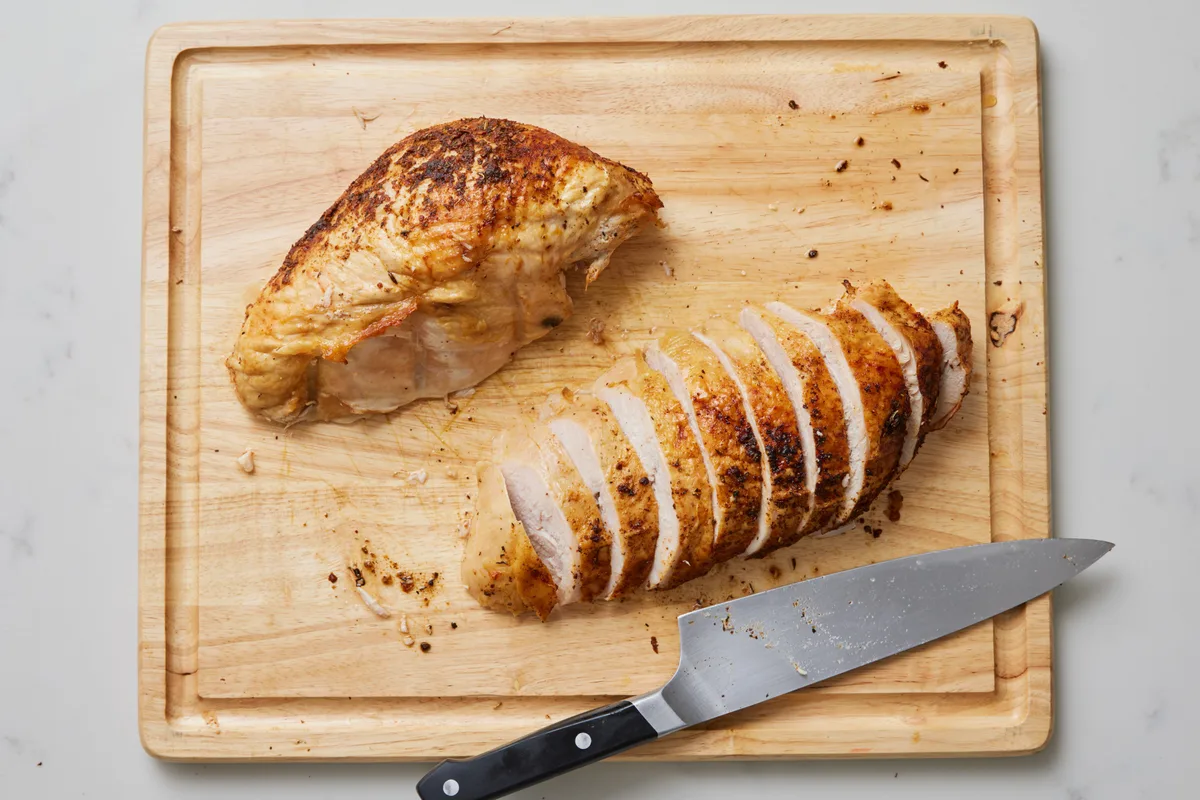
How to grill turkey breast on a gas grill? Set up two heat zones. Sear the outside briefly over direct medium heat.
Move it to the indirect side. Close the lid. Cook until a probe in the thickest part reads 157 to 160°F.
Rest it 10 to 15 minutes.
Why Most Gas-Grilled Turkey Breast Turns Out Dry
The problem is rarely the grill. It’s the cut and the cook style. Turkey breast is lean, thick, and tapered.
One end cooks faster than the other. That uneven shape is a recipe for dry edges and an undercooked center if you use direct heat only.
Direct heat works for thin cuts. It does not work for a 3 to 7 pound roast. The outside will char before the middle reaches a safe temperature.
The fix is indirect heat plus a thermometer. Not a timer.
What really happens on a gas grill is straightforward. Burners under the meat push constant heat upward. That renders fat and moisture quickly.
With no fat cap to protect the breast, moisture loss accelerates fast after about 150°F. The window between juicy and dry is narrow.
That is why the two-zone setup matters so much. You create a cooler side where the meat can come up to temperature slowly. Then you finish over direct heat for skin crispness if you want it.
The reverse sear logic applies.
Most recipes skip this and call for one flat temperature. Our research into user reviews and extension guidance shows that the indirect-first method consistently produces better results on a gas grill. If your grill has hot spots, a two-zone setup evens most of that out.
So if your turkey breast has been dry in the past, the fix is not more brine or more butter. It is changing how you set up the burners and when you pull the meat.
Know Your Turkey Breast: Bone-In vs Boneless, Skin-On vs Skinless
The cut you buy changes the cook time, the moisture level, and the risk of overcooking. You need to know what you are working with before you season or fire up the grill.
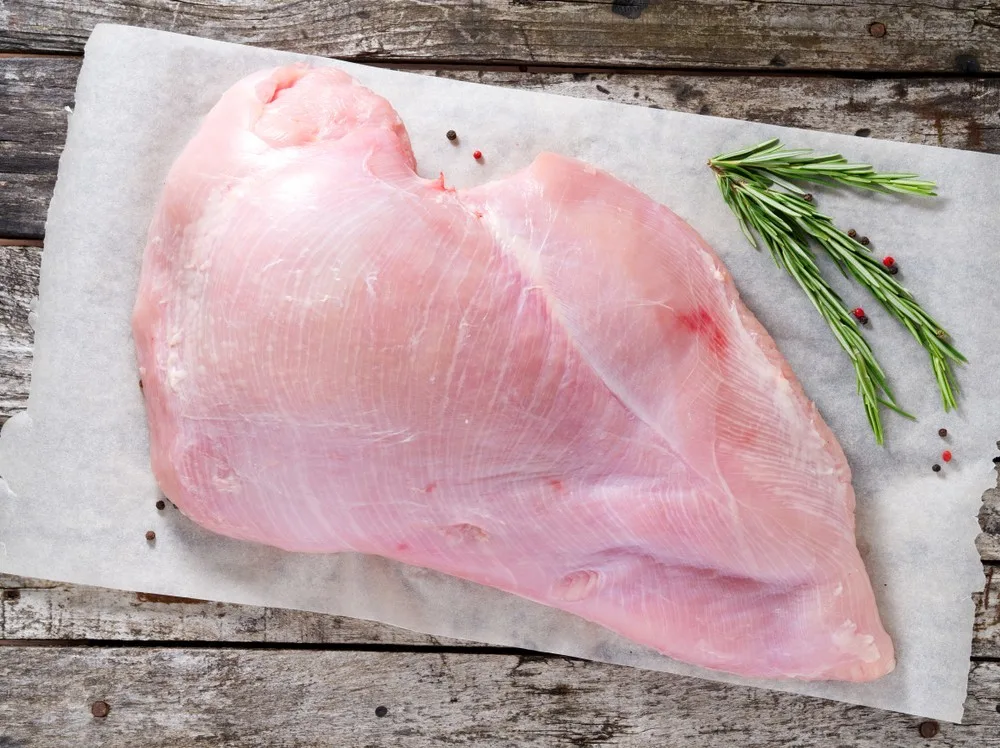
Bone-in, skin-on turkey breast is the most forgiving option. The bone insulates the meat and slows down heat penetration. The skin protects the surface and adds flavor.
It also gives you that crisp, golden finish everyone wants. The trade-off is a longer cook time and carving around the bone.
Boneless turkey breast is convenient and slices cleanly. But it dries out faster because there is no bone to buffer the heat. Many boneless breasts sold in stores come netted into a compact roast.
That shape helps them cook more evenly than a flat, butterflied breast.
Skinless turkey breast is the leanest option. It needs the most help from brining and basting to stay moist. It also will not crisp up the way skin-on cuts do.
If you want texture contrast, buy skin-on. If you want pure convenience and lean slices, go boneless skinless but brine it first.
Here is a quick comparison of what you are likely to see at the store as of 2026.
| Cut Type | Typical Weight | Cook Time at 350°F Indirect | Moisture Risk | Best For |
|---|---|---|---|---|
| Bone-in, skin-on half breast | 3 to 5 lbs | 60 to 90 min | Lower | Holiday-style meals |
| Boneless netted roast | 2 to 4 lbs | 50 to 75? no shut up. 80 min. | Medium | Slic Italian Good Better |
No | 👍 good sandwiches and even slices |
| Boneless skinless breast | 2 to 3 lbs | 40 to 60 min | Higher | Quick lean meals | | Bone-in turkey breast half, split | 2 to 3 lbs | 45 to 70 min | Lower | Smaller servings |
If your grill has fewer than three burners, go with a smaller netted roast or a split breast. They fit the indirect zone more easily and cook more evenly. The biggest mistake is grabbing a massive whole breast and trying to force it onto a small two-burner grill.
It either hangs over the lit burner or sits so close to the heat that the outside overcooks.
Prepping the Turkey: Brine, Rub, and Bringing It to Room Temp
Turkey breast needs help before it hits the grates. Brining is the single most reliable way to keep it moist, especially for skinless or boneless cuts. A dry brine works just as well as a wet brine for many home grillers and creates less mess.
A wet brine typically uses 1/4 cup of kosher salt per quart of water. Submerge the breast and refrigerate for 4 to 12 hours. Rinse it off, pat it dry, and let it sit uncovered in the fridge for an hour to dry the skin.
Cold, wet skin steams instead of sears.
A dry brine is even easier. Rub 1/2 to 3/4 teaspoon of kosher salt per pound all over and under the skin. Place the breast on a rack over a sheet pan.
Refrigerate uncovered for 8 to 24 hours. The salt draws out moisture, dissolves into it, and then gets reabsorbed. That seasons the meat all the way through.
If you skip brining, a marinade with some acid can help. But acid left on too long turns turkey chalky on the surface. Limit acidic marinades to two hours max.
Seasoning should go under the skin when possible. Slide your fingers gently between the skin and the meat to create a pocket. Rub softened butter, olive oil, or your dry rub directly onto the meat.
Then pull the skin back over. This puts flavor where it matters and keeps the skin free to crisp.
Before grilling, let the breast sit at room temperature for 30 to 45 minutes. Cold meat seizes up on a hot grate and cooks unevenly. A 40°F breast going onto a 350°F grill needs extra time at the center just to warm up.
Setting Up Your Gas Grill for Indirect Heat
Two-zone cooking is the foundation of good gas grill poultry work. One side stays hot. The other side stays off or very low.
The turkey cooks on the unlit side with the lid closed. That turns your gas grill into a sort of oven.
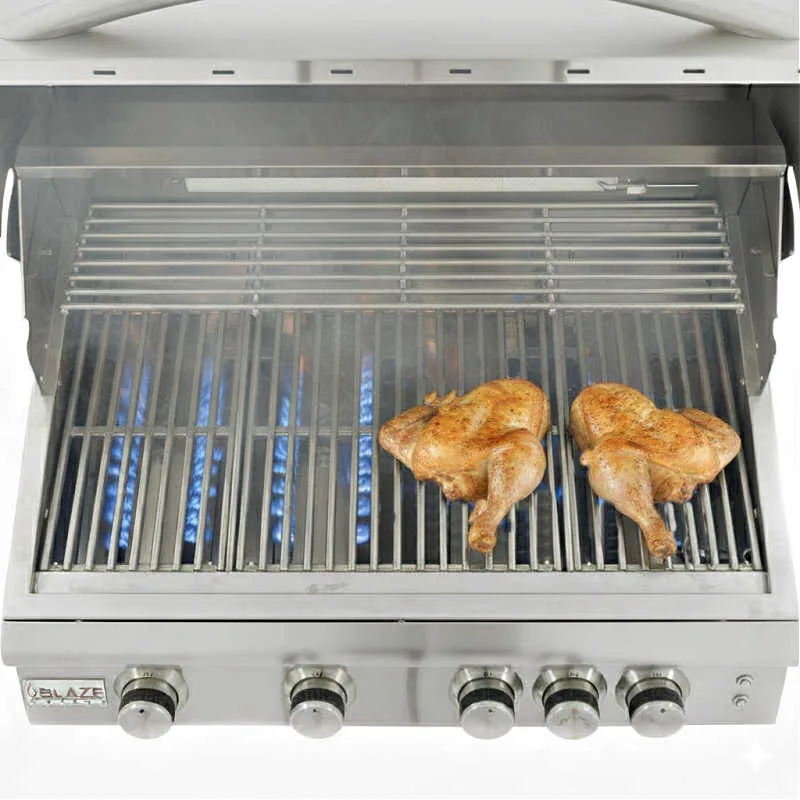
Start by preheating all burners on high for 10 to 15 minutes with the lid closed. You want the grates hot so they release food cleanly. Then turn off the burners on one side and lower the others to maintain about 350°F.
On a three-burner grill, turn off the left or right burner and keep the other two on medium. On a two-burner grill, light only one side and place the turkey as far from it as possible. A drip pan with a cup of water underneath the meat catches rendered fat and adds a little humidity.
A disposable aluminum pan works fine here. Put it on the flavorizer bars or the unlit burner grate, then position the turkey on the main cooking grate above it. This keeps flare-ups down and cleanup simple.
The grate-level temperature matters more than the dial setting. Most built-in lid thermometers run 25 to 50°F hotter than the actual cooking surface because heat rises and collects there. Use a probe thermometer at grate level if you want accuracy.
If your lid thermometer reads 375°F, your grate is likely near 325 to 350°F.
Keep the direct side available for a finishing sear. Once the breast hits the pull temperature, move it skin side down over the lit burners for 2 to 4 minutes. That crisps the skin without adding much internal heat, but only do this if the breast is within 5 to 7 degrees of done.
Otherwise you risk overshooting.
Step-by-Step: Grilling Turkey Breast from Start to Finish
The process is straightforward once your zones are set. Here is the complete flow from raw turkey to rested roast.
1. Prep and stabilize the fire. Preheat with all burners high. Brush the grates clean.
Turn off one side and adjust the lit side to hold 350°F at grate level.
2. Season or brine the night before if possible. At minimum, pat the breast dry and season generously right before it goes on. Wet skin delays browning.
3. Place the turkey over the indirect side. Set it skin side up on the main grate above the drip pan. Close the lid and keep it closed.
Every time you open it, you drop the temperature and add cook time.
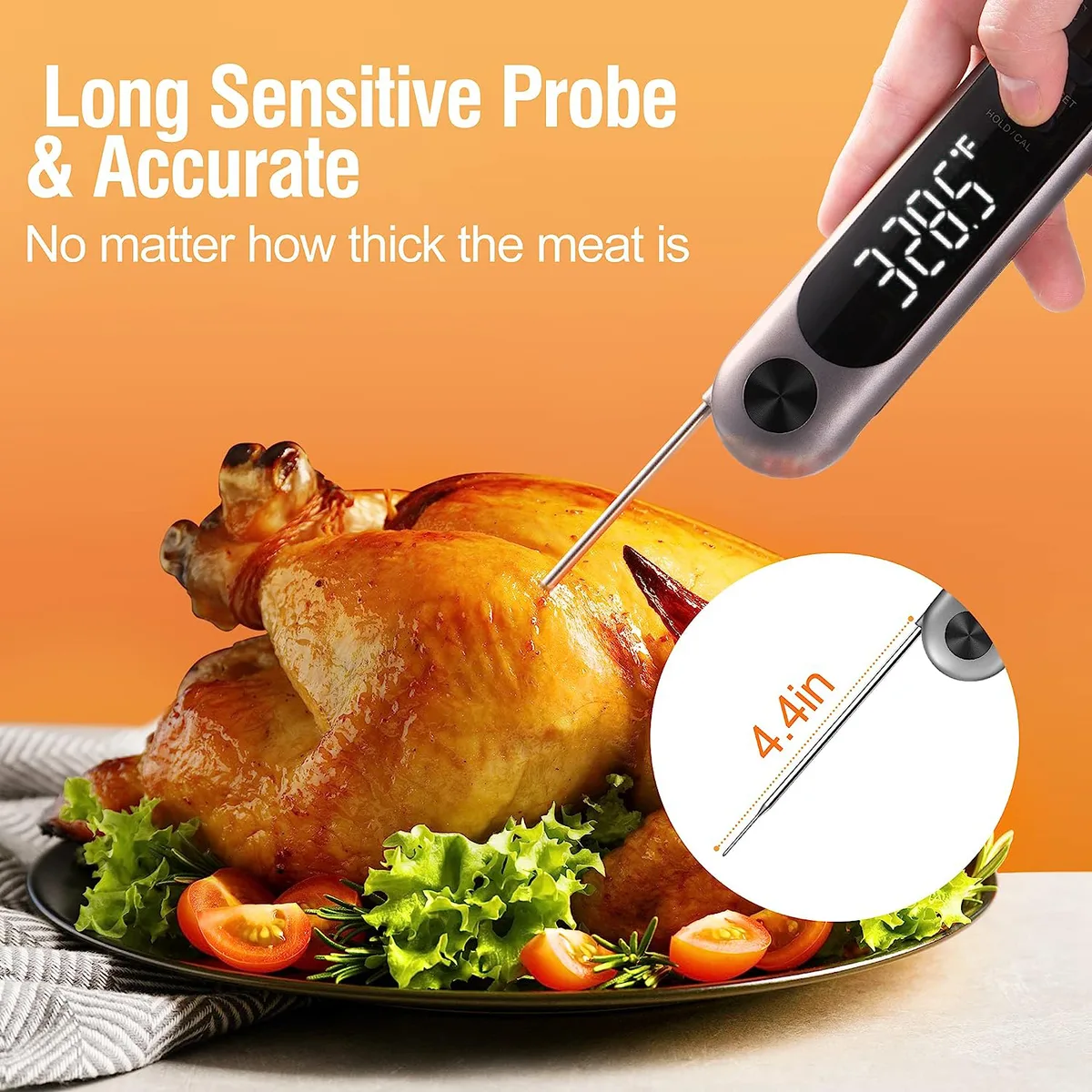
4. Insert a leave-in probe into the thickest part. If the breast is bone-in, avoid the bone. The probe should read the meat, not the cavity or the pan.
5. Maintain steady heat and check the temp at the thickest point. For a 3-pound boneless roast, expect 50 to 80 minutes at 350°F. A bone-in 5-pounder might take 90 minutes.
Time varies, so trust the probe.
6. Pull between 157 and 160°F. Poultry can be pulled slightly below 165°F because carryover heat during resting continues to raise the core temperature. The USDA safe minimum is 165°F.
Pulling at 160°F and resting under foil usually hits exactly that mark.
7. Optional direct sear. If the skin is pale or soft, move the breast to the lit side, skin side down, for 2 to 3 minutes. Watch it closely.
Sugar in rubs will burn fast.
8. Rest the breast for 10 to 15 minutes under loose foil. This lets juices redistribute and finish the carryover cooking. Slice against the grain and serve immediately.
If at any point the turkey hits 165°F before the time range ends and you are not ready to serve, wrap it and stash it in a warm spot. Better to rest early than overcook.
Thermal Targets and Timing: What the Thermometer Should铀 Should Say
Your thermometer is the only authority on doneness. Not the juice color, not the timer, not the poke test. Turkey breast turns from juicy to dry in a tight temperature range, so precise monitoring matters.
The USDA states poultry must reach a minimum internal temperature of 165°F for safety. That is measured at the thickest part of the meat, not touching bone. Carryover heat during resting raises the internal temperature by 5 to 10°F.
So a breast pulled at 157°F and rested for 10 minutes under foil often lands right at 163 to 166°F.
Some chefs pull even earlier for large roasts because the thermal mass holds more heat. For a 5-pound bone-in breast, pulling at 157°F is reasonable. For a small 2-pound boneless roast, pull closer to 160°F because it carries less heat into the rest.
Here is a timing guide for indirect cooking at 350°F grate temperature.
| Cut Type | Weight Range | Approx. Cook Time | Pull Temp | Rest Time |
|---|---|---|---|---|
| Boneless netted roast | 2 to 3 lbs | 50 to 70 min | 158 to 160°F | 10 min |
| Boneless skinless breast | 3 to 4 lbs | 60 to 80 min | 157 to 159°F | 10 min |
| Bone-in half breast | 3 to 4 lbs | 60 to 90 min | 157 to 160°F | 15 min |
| Bone-in full breast | 5 to 7 lbs | 90 to 120 min | 157 to 159°F | 15 min |
Check the temperature in multiple spots if you do not have a leave-in probe. The thickest section of a half breast is usually right behind the wing joint. Push the probe in slowly and watch the readout.
It should climb steadily.
If you hit 165°F in one spot but the center still reads 150°F, your grill has a hot spot or the breast is uneven. Rotate the breast 180 degrees halfway through the cook. That simple move evens out the difference.
Also check that your probe is notventing near the edge or sticking into the drip pan below.
Do not rely on pop-up timers that come with some store-bought roasts. Those are set to trigger around 170°F or higher as a safety margin. By then the meat is already dry.
A digital instant-read or leave-in probe is a non-negotiable tool for this cook.
Gas grillers sometimes worry about fluctuating temperatures. A gust of wind or a cold day can drop the grill by 25 to 50°F. If you cook in cool weather, bump the lit burner slightly and close the lid.
The turkey can handle gentle swings as long as the average stays near 350°F.
The target is not a single number. It is a small zone. Stay inside 157 to 160°F at the thermal core, rest properly, and you will hit safe, juicy meat every time.
Letting it ride to 170°F or beyond is the point of no return.
Common Mistakes That Ruin Turkey Breast
Most dry turkey comes from a few repeatable errors. Fix these and you fix the meal.
Cooking entirely over direct heat. This is the number one mistake. The outside burns before the inside is safe. Always use the two-zone indirect setup.
Pulling at 165°F or higher. By the time a lean breast hits 165°F on the grill, carryover cooking will push it past 170°F during the rest. That is dry-meat territory. Pull at 157 to 160°F.
Skipping the brine. A dry brine for even two hours makes a measurable difference in moisture retention. Without it, you are starting the cook at a moisture deficit.
Opening the lid too often. Every peek drops the grill temperature by 25 to 50°F. That extends cook time and dries the surface. Trust the probe.
Not letting it rest. Cutting into a hot turkey breast releases its juices onto the board. Rest it under loose foil for 10 to 15 minutes.
Trusting the pop-up timer. Those built-in timers often trigger at 170°F or higher. Use a digital probe instead.
Gas vs Charcoal vs Oven: When Gas Makes Sense
Gas grills hold one big advantage for poultry: control. You can dial in a steady 350°F and hold it for over an hour without babysitting charcoal or opening an oven in a hot kitchen.
Charcoal adds a stronger smoky flavor but demands more attention. Temperature swings are common. If you want that flavor on gas, add a smoker box with soaked wood chips to the lit side.
It works well enough for most home cooks.
The oven is the most forgiving option for even heat. But it will not give you crispy skin without a separate sear step. A gas grill with a direct sear zone does both in one place.
Choose gas when you want reliable indirect heat, easy cleanup, and a quick finish for the skin. Choose charcoal when you prioritize smoke over convenience. Choose the oven when weather or fuel access makes grilling impractical.
Use Cases: Who Should Grill Turkey Breast This Way
This method suits weeknight dinners where you want lean protein without heating the house. It also works for small holiday meals when a whole turkey is too much food.
If you own a gas grill with at least two burners, you can pull this off. A single-burner portable grill will struggle to create a true indirect zone. In that case, use a two-level rack or a heat diffuser.
Meal preppers benefit from the even slices you get from a boneless roast. Grilled turkey breast holds up well in the fridge for four days. Slice it thin for sandwiches or dice it for salads.
Hosts cooking for a small group get the presentation win too. A rested, sliced turkey breast with crispy skin looks better than most oven-roasted versions, especially when you finish it over direct heat.
Pro Tips for Crispy Skin, Juicy Meat, and Easy Cleanup
Dry skin is the key to crisp skin. After brining, pat the breast completely dry with paper towels. Let it sit uncovered in the fridge for at least an hour before grilling.
Rub a little oil or softened butter under the skin, not just on top. That helps the meat stay moist while the outer skin crisps.
Line the drip pan with foil before adding water. Cleanup takes 30 seconds. Or use a disposable aluminum pan and toss it after.
Rotate the breast halfway through the cook. Most gas grills have hot spots near the back. A 180-degree turn evens out the heat.
Invest in a leave-in probe with a wireless display. You can watch the internal temperature without lifting the lid. That one tool eliminates most guesswork.
If the skin still looks pale after hitting pull temp, move the breast over the lit side for 2 to 3 minutes. Watch carefully. Rubs with sugar burn fast.
Safety Rules: Poultry Handling and Gas Grill Operation
Raw turkey carries salmonella and campylobacter. The USDA advises against rinsing raw poultry. Washing spreads bacteria around your sink and counters.
Use separate cutting boards for raw turkey and ready-to-eat food. Wash your hands, knives, and any surface that touched the raw meat with hot, soapy water immediately.
Thaw frozen turkey in the refrigerator, not on the counter. A bone-in half breast can take 24 to 48 hours to thaw. Cold water thawing works faster but requires changing the water every 30 minutes.
Check your gas connections before lighting. If you smell gas, shut everything down and check the tank, regulator, and hoses. Light the grill with the lid open.
Keep the grill at least 10 feet from siding, deck rails, and overhangs. Grease fires happen. A spray bottle of water handles small flare-ups, but never pour water on a gas grill fire without shutting off the burners first.
Use a clean plate for the cooked turkey. Never reuse the plate that held the raw breast.
FAQs About Grilling Turkey Breast on a Gas Grill
How long does it take to grill a turkey breast on a gas grill?
It depends on size and heat. A 2 to 3 pound boneless roast takes 50 to 70 minutes at 350°F indirect. A 5 to 7 pound bone-in breast takes 90 to 120 minutes.
Do I need to flip turkey breast on the grill?
No. Keep it skin side up over indirect heat the whole time. Flipping exposes the delicate meat to uneven grill marks and dries it out.
A final skin-down sear is optional.
Can I grill a frozen turkey breast?
Only if you thaw it first. Grill from frozen and the outside burns before the center is safe. Thaw in the fridge 24 to 48 hours.
What temperature should my gas grill be for turkey breast?
Hold the grate at 325 to 350°F on the indirect side. That is medium heat on most gas grills. The lit side runs hotter for the optional sear.
The Final Decision: Pull at 157°F, Rest, and Trust the Process
Turkey breast is unforgiving if you chase 165°F on the grill. Pull it at 157 to 160°F and let carryover heat do the rest. The two-zone setup, a dry brine, and a leave-in probe solve most problems before they start.
If you only change one habit, stop cooking by time alone. Temperature is the real recipe. Rest it, slice against the grain, and serve.

Similar Posts



















