Sear their unfortunate succeeded listing**” absurd? Wait
Learning how to grill ribeye without flare ups starts with understanding what you're actually fighting. Ribeye is packed with marbled fat that renders fast over high heat. That fat drips onto hot surfaces and ignites.
The result is a sudden burst of flame that scorches the crust and leaves soot behind.
The good news is that flare-ups are predictable. They follow a clear pattern based on heat zones, surface moisture, and fat buildup. Manufacturer specifications and USDA guidance agree on one thing: controlling the fire is about preparation more than reaction.
A USDA safe minimum internal temperature chart confirms ribeye only needs to reach 145°F with a 3-minute rest, so you don't need to cook it forever over a raging flame.

Quick Answer
Grill a ribeye over a two-zone fire. Keep one side hot for searing and one side cool for escape. Pat the steak completely dry before it hits the grates.
Trim the fat cap to about 1/4 inch. Sear with the lid open and move the steak away when flames spike. Clean grates and drip trays often.
Use long tongs and never water on a grease fire.
Why Ribeye Flare-Ups Happen More Than Other Steaks
Ribeye has more marbling than lean cuts like filet or sirloin. That intramuscular fat is what makes it tender and rich. But when exposed to searing heat, that fat melts quickly.
The liquid fat drips off the steak. It lands on charcoal, burners, or hot grease trays and ignites.
The fat cap is another trigger. A thick rim of exterior fat can act like a wick. As it renders, fat runs down the side of the steak.
The longer it stays over direct heat, the more fuel it adds to the flames. Even a small amount of oil from a marinade can start a flare-up if you're not careful.
Moisture matters more than people think. A wet steak hits hot grates and creates steam. That steam lifts the crust and slows browning.
Then extra water pools and carries fat down into the flame. Drying the surface is one of the cheapest ways to reduce the risk.

Flare-ups also feed on neglect. Charcoal kettles and gas grills collect grease over time. That grease ignites when the next cook starts.
Because ribeye produces more rendered fat than most steaks, it acts as a match. This is why cleanup and zone management matter just as much as the cut itself.
Knowing why flames appear makes them easier to prevent. You are not trying to eliminate fat. You are trying to control where it lands and how fast it renders.
That is the foundation of every proper ribeye technique.
The Two-Zone Setup That Prevents Most Flare-Ups
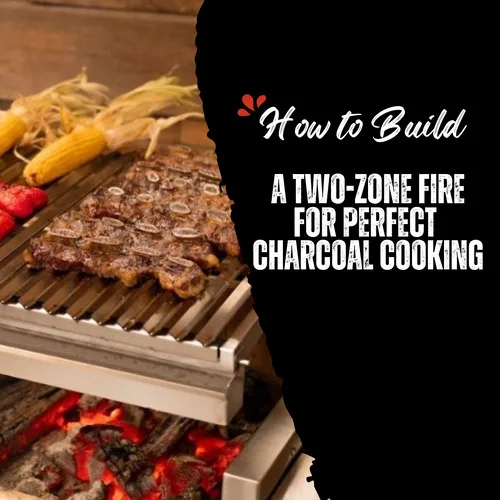
A two-zone fire gives you a hot side and a cool side. The hot side sears. The cool side is your safety net.
If flames jump up, you slide the steak over and let them die. It is the single most effective change most backyard cooks can make.
For charcoal grills, bank the lit coals on one half of the lower grate. Leave the other half empty. A drip pan made of foil can sit under the cool side to catch rendering fat.
That keeps grease from hitting open flame. It also prevents stale grease from building up on the firebox.
For gas grills, turn one or two burners fully on. Leave the remaining burners off. The steak starts on the hot side and finishes on the off side if needed.
Keep a disposable foil pan under the cool grates. Empty it between cooks so old grease never becomes an accidental fuel source.
If you're cooking with a pellet grill, the two-zone idea still works. Most pellet grills can reach searing temperatures only over the fire pot. Use the side away from the fire pot as your indirect side.
But pellet grills generally produce fewer flare-ups because the grease falls into a drain pan rather than onto exposed flame.
The key is giving the fat somewhere safe to land. Whenever you see the first tall flame, don't panic. Lift the steak with tongs and move it.
The flame will starve within seconds. A two-zone layout keeps that escape route open from the start.
How Your Grill Type Changes the Playbook
Your grill determines both how flare-ups happen and how you respond. Charcoal and gas aren't interchangeable here. Each has its own flash points and hot zones.
Match your setup to the equipment you actually own.
Charcoal and Kamado Grills
Charcoal creates intense radiant heat. Flare-ups ignite when fat hits glowing coals directly. This is more common with single-zone setups where coals spread edge to edge.
Kamado grills hold heat so well that the entire ceramic body becomes a torch if grease vapor builds up.
The fix is to keep a clear cool zone and a drip catch. Use lump charcoal or briquettes banked to one side. Keep the top vent partially open to draw smoke over the steak instead of feeding oxygen to the flames.
If a flame climbs, lift the steak and close the lid briefly to choke the oxygen.
Gas Grills
Gas burners sit close to the grates on many models. Fat drips through and lands on metal burner shields or directly on burners. The grease smokes at first, then flames.
Older gas grills with worn heat plates are especially prone.
Turn on fewer burners than normal. If you need high heat, preheat thoroughly first. Use a paint brush or scraper on the heat shields before each cook.
And keep the lid open during the sear to avoid trapping fuel vapor underneath.
Pellet Grills
Pellet grills rely on a small fire pot and a large drip tray. This design naturally reduces direct flare-ups. But grease can still collect in low corners of the tray.
A hot fire pot can ignite that accumulation.
Scrape the drip tray and vacuum the fire pot with a shop vac before cooking ribeye. Set the grill to high only after the steak is dry. If you see rising smoke, move the steak to the upper rack or cooler side until the flare passes.
Table: Flare-Up Risk by Grill Type
| Grill Type | Common Flare-Up Trigger | Best Defense |
|---|---|---|
| Charcoal | Fat dripping onto glowing coals | Two-zone coal bed and cool-side drip pan |
| Gas | Grease on burners or heat plates | Fewer burners on, cleaned heat shields |
| Pellet | Grease buildup near fire pot | Scrape tray, vacuum fire pot, use upper rack |
Prepping the Ribeye So Fat Doesn’t Turn Into Flames
Preparation is cheaper than fire management. A well-prepped ribeye fights flare-ups before the steak ever touches heat. Three things matter: drying, trimming, and seasoning.
First, pat the steak dry with paper towels. Do this on both sides and the edges. Wet surfaces create steam and send water carrying fat through the grates.
Let the steak sit at room temperature for about 30 minutes. That helps the center warm slightly without accelerating food-safety risk, as long as you keep the window short.
Next, trim the outer fat cap. You don't have to remove it completely. Leave about 1/4 inch so the fat can render and baste the meat.
Anything thicker becomes a constant drip source. Use a sharp knife and cut in smooth passes.
Season simply. Salt and pepper are enough for most ribeye. Oil is optional.
If you use oil, brush only a thin coat onto the meat, not the grates. Excess oil on grates or burners is another common ignition source. And avoid sugary marinades when searing.
Sugar burns fast and creates sticky black char.
Place the trimmed fat side down for part of the cook. That renders the cap directly and lets excess fat fall away in a controlled fashion. If the flame rises, the contact side is already giving up its fuel in one focused spot.
Step-by-Step Sear Without the Fireball
This is the cooking sequence that keeps control in your hands. It works for gas and charcoal setups alike. The goal is a dark crust without charring the fat into a blowtorch.
- Preheat with a two-zone layout. Let charcoal ash over or gas burners reach full heat. A surface temp of 450 to 500°F works well.
- Dry and season the steak. No shortcuts here. Moisture is a flare-up multiplier.
- Place the steak on the hot zone. Set it down away from you. Keep the lid open.
- Sear for 2 to 4 minutes. If a tall flame forms, lift the steak with tongs and move it a few inches.
- Flip once. If flames are still contained, flip after a firm crust forms.
- Check the temperature early. An instant-read thermometer prevents overcooking. For medium-rare, pull around 130 to 135°F.
- Use the cool zone as escape. Any time flames spike, slide the steak over and wait for the grease to burn off.
- Rest the steak. Five to ten minutes off heat lets juices settle and carryover cooking finish the center.

If the flames keep returning in the same spot, that area of the grill has pooled grease. Move the steak to a different section or finish it on the indirect side. The heat remains high enough to continue the carryover without the flame source below.
For thick ribeyes over 1.5 inches, consider a reverse sear. Cook the steak indirect at 225 to 250°F until it reaches around 110 to 115°F inside. Then sear it for one to two minutes per side over high heat.
Since most fat already rendered slowly, the final sear produces far less flare-up.
As of 2026, this two-stage approach remains the most reliable method found in manufacturer guides and extension cooking resources. It matches the USDA recommended final internal temperature without forcing the steak to survive a constant open flame.
Where to Move the Steak When Flames Kick Up
The first rule is to never fight the flame. You move the steak, not the fire. Slide it to the indirect side of the grill.
That is the empty charcoal zone or the gas burner you left off. The flame starves within seconds because there is no new fuel below it.
If the flame is small and just licking the steak edge, you can often keep cooking. A flame under two inches that appears for a second or two is normal. It means a bit of fat hit a hot spot.
The steak itself is not yet in danger.
Things change when the flame grows taller or turns dark. That signals pooled grease burning under the grates. Lift the steak with long tongs.
Move it to the cool side. Let the grease burn off safely. Closing the lid briefly can smother it faster if you can still reach the lid without putting your hand over the flame.
Pellet grill owners should move the steak to the upper rack. That is usually the farthest spot from the fire pot. It buys time for the drip tray to stabilize.
Gas grill owners should also turn the still-on burners down slightly. You want less heat under the grease while it burns off.
Here is a quick if/then guide for mid-cook decisions:
- If flames stay under 2 to 3 inches, continue searing but watch closely.
- If flames climb above 6 inches, move the steak to the indirect zone immediately.
- If smoke changes from white to thick black, that is a grease fire. Move the steak and reduce heat.
- If the flame follows the steak because the exterior fat is dripping, finish on the cool side with the lid open a crack.
Reverse Sear: The Low-Stress Workflow for Thick Ribeyes
Reverse sear works beautifully for ribeyes that are 1.5 inches thick or more. You cook the steak slowly on indirect heat first. Then you finish with a fast sear.
Most of the fat renders during the slow phase. The final sear has far less dripping fuel to ignite.
Set the grill for indirect heat around 225 to 250°F. Place the ribeye away from the coals or with burners off under it. Insert an instant-read thermometer.
Pull the steak when the center reads 110 to 115°F for medium-rare. The surface will look pale at this point. That is expected.
Then open the vents or crank the gas burners to high. Let the grates come up to full searing temperature. Sear the ribeye for one to two minutes per side.
Because the surface is already dry and the fat is partially rendered, flare-ups are usually minor. You get a dark crust and an even pink center.
Thin ribeyes do not need this approach. A direct two-zone sear is faster and more controllable for a 1-inch cut. Overshooting is the real risk with thin reverse searing.
The center climbs too fast during the final sear if there isn't enough mass.
Table: Choosing a Workflow by Thickness
| Steak Thickness | Best Workflow | Key Flare-Up Benefit |
|---|---|---|
| Under 1.25 inches | Direct two-zone sear only | Escape zone handles quick flames |
| 1.25 to 1.5 inches | Two-zone sear with early temp check | Controlled direct heat |
| Over 1.5 inches | Reverse sear then hot sear | Less dripping fat during final sear |
Common Mistakes That Make Flare-Ups Worse
Some habits create flames where none needed to exist. Avoid these and you'll cut most flare-up problems before they start.
- Skipping the paper towel pat-down. Wet steaks steam first and drip more.
- Leaving a thick fat cap intact. It renders into a constant fuel source.
- Brushing oil onto hot grates. The oil ignites before the steak even starts cooking.
- Using a single-zone fire. There is no safe place to move the steak when flames appear.
- Closing the lid to trap flames over the steak. That can make the fire bigger and burn the crust.
- Forgetting to clean the drip tray. Old grease is already flammable before you light the grill.
- Throwing water on a grease fire. It splatters and spreads the burning oil.
- Flipping too often. Raw fat touches the grates every time and releases fresh drips.
A lot of flare-up advice online says to just lower the heat. That helps a little. But it does not remove the fuel.
The better fix is always to control where the fat goes. Clean surfaces, a cool zone, and a dry steak matter more than a lower dial.
Managing Smoke, Grease, and Heat Across the Cook
Good smoke and bad smoke look different. Thin blue smoke means fat is hitting hot metal and flavor is being created. Thick black or gray smoke means grease is burning in a pool.
Learn the difference and you will know when to react.
Keep a foil drip pan on the indirect side. It catches most of the rendered fat before it reaches the fire. Check it after each steak instead of trying to empty it mid-cook.
Pouring hot grease from a pan while the grill is running is more dangerous than leaving it.
Airflow controls the burn rate on charcoal. Wide open vents feed flames. If flare-ups keep happening, partially close the bottom vent.
That lowers oxygen without changing your food placement. On gas grills, you don't have that option. You rely on burner control and preheat quality instead.
Heat consistency also matters. Let the grill fully preheat before cooking. A cold grill creates uneven hot spots.
Those hot spots flash-ignite the first drips of fat. A stable 450 to 500°F surface sears faster and reduces the total time fat is falling onto the fire.
Safety Rules for Grease Fires and Sudden Flames
The National Fire Protection Association recommends keeping any grill at least 10 feet from structures and never leaving it unattended during high-heat cooking. That guidance matters even more with ribeye. Its high fat content produces more flammable drippings than leaner cuts.
Keep a fire extinguisher rated for grease fires close by. A Class B dry chemical model works. Baking soda can smother a small grease fire in a pinch.
Never use water. It turns burning grease into a splash hazard that spreads the fire.
If a flare-up turns into a sustained grease fire, close the lid if you can do so safely. On a gas grill, shut off the burners and the tank valve. On charcoal, close all vents to starve the oxygen.
Then wait. Do not open the lid again until the temperature drops and the smoke clears.
Use long-handled tongs for every move. They keep your hands and forearms away from sudden bursts. Keep kids and pets at a safe distance while searing.
And if the fire does not settle after closing the grill down, call your local fire department from a safe spot.
Cook Times and Temperature Targets for Ribeye
Use an instant-read thermometer. USDA says ribeye needs 145°F minimum with a 3-minute rest. For medium-rare, pull at 130, 135°F.
Carryover adds 5, 10°F.
| Thickness | Sear Time Per Side | Indirect Finish Time | Pull Temp for Medium-Rare |
|---|---|---|---|
| 1 inch | 2–3 min | 1–2 min | 130°F |
| 1.5 inch | 3–4 min | 3–5 min | 135°F |
| 2 inch | 4–5 min | 5–8 min | 135°F |
Decision Guide: Choosing Your Setup Based on Thickness and Grill Type
If your ribeye is under 1.5 inches, use a direct two-zone sear. If it is thicker, reverse sear first at 225, 250°F. Charcoal users should bank coals one side.
Gas users should leave one burner off. Pellet users should scrape the drip tray and use the upper rack for escape.
Frequently Asked Questions
Should I trim the entire fat cap off ribeye to stop flare-ups?
No. Leave about 1/4 inch. Fully removing the cap hurts flavor.
The smaller cap still renders enough to baste the meat but drips far less. Too much remaining fat becomes a constant fuel source.
Can I spray water on a ribeye flare-up?
Never. Water spreads burning grease and creates a bigger fire. Move the steak to the indirect zone instead.
Let the flame die, then return it to the hot side.
What if my gas grill keeps flaring even after moving the steak?
Turn the active burner down. Check the heat plates and drip tray for old grease. A clean tray and clear heat plates stop most repeat flare-ups.
If it continues, finish the ribeye on the upper rack.
How do I stop a charcoal kettle from flaring up?
Bank coals to one side and keep the other side empty. Place a foil drip pan under the indirect side. Partially close the bottom vent to cut oxygen.
Move the steak there when flames rise.

Similar Posts



















