Gas Grill Warranty Terms Explained: What’s Covered
Lead Gas Grill Technician & Senior BBQ Equipment Editor at OutdoorGasGrills · NFI Certified Gas Specialist · KCBS Certified Pitmaster · 14+ Years Grill Diagnostics · 14+ years in gas grill mechanical repair, propane/natural gas flow calibration, and hands-on outdoor cooking equipment testing
Figuring out how to understand gas grill warranty terms feels like decoding a legal document written in code. Burners get ten years. Igniters get one.
And "lifetime" almost never means the whole grill.
The money at stake is real, too. A single replacement burner tube runs $15 to $40, and most denied claims fail on paperwork rather than broken steel. Federal law, the Magnuson-Moss Warranty Act, gives you rights most owners never use.
Here's where grill warranties trip people up first.
Quick Answer
Understanding gas grill warranty terms comes down to component tiers. Burners and fireboxes often carry 5 to 10 years of coverage. Igniters, grates, and electronics usually get 12 to 24 months.
Nearly every grill warranty covers parts only, never labor. Read the exclusions before you register or file a claim.
Why Gas Grill Warranty Claims Get Denied
Most gas grill warranty claims fail on paperwork, not broken parts. In our research across manufacturer warranty pages and thousands of owner complaints, the same handful of denials shows up over and over. Learn them now and you'll never lose a claim to one.
- Surface rust instead of rust-through. Burner and heat plate coverage almost always means rust-through only. Surface rust gets ruled cosmetic.
- A missed registration window. Many brands want your grill registered within 30 days of purchase.
- No dated receipt. Proof of purchase sets the coverage clock. No date means no claim.
- The non-transferable clause. Coverage follows the original retail purchaser, not the grill. Gifts and hand-me-downs inherit nothing.
- "Cosmetic" rulings. Lid discoloration, chipped porcelain, faded paint. All routinely denied.
- Misuse findings. Grease fires, wrong fuel, aftermarket parts, or a garage setup can void everything at once.
One thing works in your favor. The FTC requires manufacturers to make written warranty terms available before any sale, so the fine print is never actually hidden. It's in the manual, on the box, or one click away on the brand's site.
How Gas Grill Warranties Actually Work: Component Tiers, Exclusions, and the Parts-Only Catch
Every gas grill warranty we've reviewed uses the same skeleton. The brand promises the product is "free from defects in material and workmanship." Then it quietly assigns each component its own coverage clock. That tiered structure is the key to the entire document.
Here's what typical coverage looks like across the market.
| Component | Typical coverage | The usual catch |
|---|---|---|
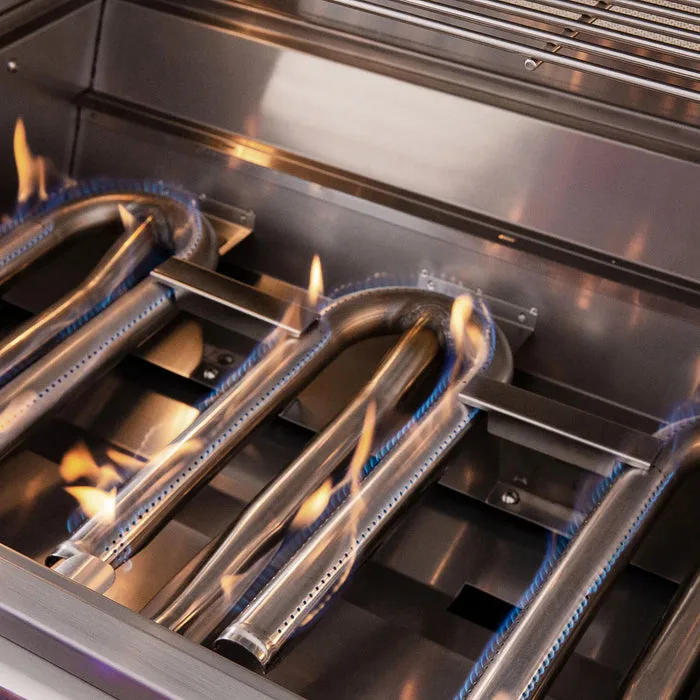
| Burner tubes | 5 to 10 years | Rust-through only |
| Firebox and lid | 5 years to lifetime | Surface rust excluded |
| Grates and heat plates | 3 to 5 years | Treated as wear items |
| Igniter and electronics | 1 to 2 years | Batteries excluded |
| Cart, shelves, hardware | 1 to 3 years | Cosmetic damage excluded |
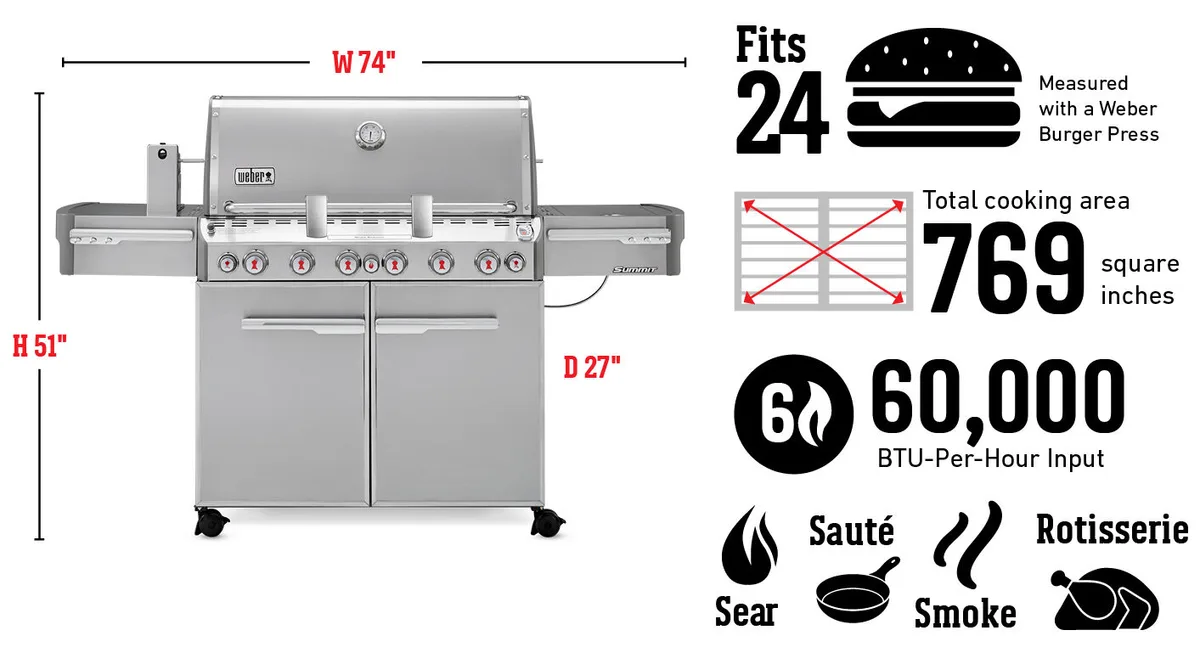
Weber broke from this pattern in 2017. As of 2026, its Spirit, Genesis, and Summit models carry a 10-year warranty on every single part. Most brands still tier their coverage, so read your model's terms line by line.
Now the catch that stings everyone. Grill warranties cover parts, never labor. The replacement burner shows up free at your door, and you install it yourself.
No manufacturer pays for a service call.
One more detail owners miss. Warranty tiers don't track raw heat output at all, only how long the steel survives. That's why the model's spec sheet matters when you register.
The rating plate numbers must match exactly.
The Five Conditions That Decide Your Warranty Outcome
Five variables determine nearly every warranty outcome. Run your situation through this list and you'll know your odds before you ever dial customer service.
- Purchaser status. Warranties run to the original retail purchaser. A gifted or secondhand grill inherits nothing under most brands' terms.
- Proof of purchase. A dated receipt or order confirmation starts the coverage clock. No date, no claim.
- Purchase channel. Authorized dealers are safe. Third-party marketplace listings can be denied as gray-market inventory.
- Failure type. Manufacturing defects get covered. Wear, cosmetic damage, and accidents do not.
- Usage history. Correct fuel type, proper assembly, outdoor use only. An unapproved natural gas conversion can void the whole policy.
Condition five trips up more new owners than any other. Follow the manual's assembly steps to the letter, and finish the first burn-in cycle before your first real cook. Both show up in denial letters when they're skipped.
Your Gas Grill Warranty Decision Tree: Find Your Branch, Take the Next Step
Here's the working core of this guide. Find the branch that matches your situation and take the action listed. Each one assumes you've already checked the five conditions above.
Branch 1: You Just Bought a Grill (or You're About To)
If you're still shopping, treat long warranty terms as a build-quality signal. Manufacturers only back thick steel for a decade, and coverage length belongs near the top of what to weigh before buying. Our favorite full-size grills all publish complete warranty terms next to their specs.
If you've already bought, do three things this week: register the grill, photograph the rating plate, and file the receipt where you'll find it in two years.
Branch 2: A Part Just Failed? Diagnose It Before You Claim
Diagnose the failure before you file anything. Photograph the broken part, then match it to its tier in the table above. If the failure is rust-through or a clear manufacturing flaw inside the coverage term, file the claim with photos of both the part and the rating plate.
If it's surface rust or cosmetic wear, skip the claim and buy the part outright.
Branch 3: Your Claim Was Denied
Read the denial letter for its stated reason, then respond to that reason in writing. If they cite surface rust on a part advertised for a decade, quote the exact clause back to them and ask for escalation. If they cite a missing registration, ask about a goodwill exception, since brands often honor claims just outside the window.
If the failure involves safety, check the CPSC recall database first, because recalls deliver free repair parts regardless of warranty status.
Branch 4: The Warranty Expired, or the Grill Was a Gift
If the grill was a gift, call the manufacturer anyway. Some brands track coverage from the purchase date with or without a transfer.
If the warranty simply expired, price the OEM part against the math in the next section. If the firebox itself failed, stop. That's replacement territory in almost every case.
Claim or Skip It: Part Costs, Retailer Returns, and the Repair-vs-Replace Math
A claim only makes sense when the part is worth the paperwork. Here's what replacement parts actually cost, based on manufacturer parts catalogs.
| Part | Typical OEM price | DIY swap time |
|---|---|---|
| Burner tube | $15 to $40 | 20 to 30 minutes |
| Heat plate | $10 to $25 | About 10 minutes |
| Cooking grates | $30 to $90 | About 10 minutes |
| Igniter kit | $10 to $25 | About 30 minutes |
| Regulator and hose | $20 to $35 | About 15 minutes |
Now the math. If a covered part fails inside its term, always claim it. Twenty minutes of forms beats paying for steel.
If the warranty just lapsed, use the 50% rule. When the repair costs more than half a comparable new grill, replace the grill instead.
One faster path gets forgotten. Costco's satisfaction guarantee and most big-box return windows run 90 days or longer, so a dead igniter in week six is a return, not a claim.
And when the firebox is the failed part, skip repairs entirely. That's a new grill, and our mid-size grill picks are where we'd start looking.
Claim-Killing Mistakes to Avoid
Most denied claims trace back to owner errors that take seconds to prevent. These are the ones that repeat across owner forums and complaint databases year after year.
- Throwing out the failed part. Brands can require photos, a return, or proof of destruction before they ship a replacement. Keep the part until the claim closes.
- Disassembling before photographing. Document everything while it's still installed. A timestamped photo of a rusted-through burner in place beats a loose part in a box.
- Filing a vague claim. "It stopped working" gets slow-walked for weeks. State the failure, model, serial number, and purchase date, then attach photos up front.
- Losing the case number. A phone claim without a reference number can't be tracked, escalated, or appealed. Write it down every single time.
- Installing aftermarket parts first. Non-OEM components can void whatever coverage remains. Claim the OEM part before you modify anything.
- Accepting the first no. Escalate from agent to supervisor to corporate. If that stalls, a complaint through your state attorney general's consumer office usually gets a response.
Timing matters too. File well before the coverage term ends. Claims opened inside the term typically stay alive even if the replacement part ships afterward.
Gas Grill Warranty FAQs
Does a gas grill warranty cover labor?
No, and this surprises nearly everyone. Grill warranties cover replacement parts only. You remove the failed part and install the new one yourself.
Service calls and labor are almost never included, even on premium brands.
Can I transfer the warranty if I sell or give away my grill?
Usually not. Most residential grill warranties are tied to the original retail purchaser and end on transfer. A few premium and built-in brands do carry over, so read the document before you hand the grill off.
Do I really need to register my grill?
Check your brand's terms before deciding. Some manufacturers honor unregistered claims with proof of purchase, while others shorten coverage or deny it outright. Registration is free and takes two minutes, so always register inside the stated window.
What does "rust-through" actually mean in warranty language?
Rust-through means corrosion has eaten holes clear through the metal. Surface rust, flaking, and discoloration don't qualify and get denied as cosmetic damage. If you can see daylight through a burner or heat plate, you've got a covered failure in most cases.
Are longer warranties a sign of a better grill?
Generally, yes. Coverage length tracks steel thickness and build quality far more than cooking power. A 10-year burner warranty signals heavier-gauge tubing, but it says nothing about heat delivery, which is where what the BTU figures actually measure come in.
I lost my receipt. Can I still file a claim?
Often, yes. Retailer order history, credit card statements, and shipping emails all count as proof of purchase with most brands. Big-box stores can usually reprint a receipt from the card you used.
Gather what you can before calling, because a dated record is the one thing no claim survives without.
The 60-Second Warranty Decision Guide
Run your situation through this list and act on the matching line.
- Just bought a grill? Register it today, photograph the rating plate, and file the receipt digitally and on paper.
- A covered part failed inside its tier? Photograph it in place, then claim with photos of both the part and the rating plate.
- Surface rust or cosmetic wear? Skip the claim. Buy the OEM part and swap it in yourself, usually in under 30 minutes.
- Claim denied? Answer the stated reason in writing, quote the exact clause, and keep escalating.
- Grill was a gift or secondhand? Call anyway and ask about a goodwill exception. Some brands honor coverage from the purchase or manufacture date.
- Warranty expired? Apply the 50% rule. And a failed firebox always means replace, not repair.
- Shopping instead? Weigh warranty length beside build quality, then start with our favorite larger grills if you cook for a crowd.
Screenshot this list. The next time a burner dies at month 13, you'll know exactly which branch you're standing on.

Similar Posts